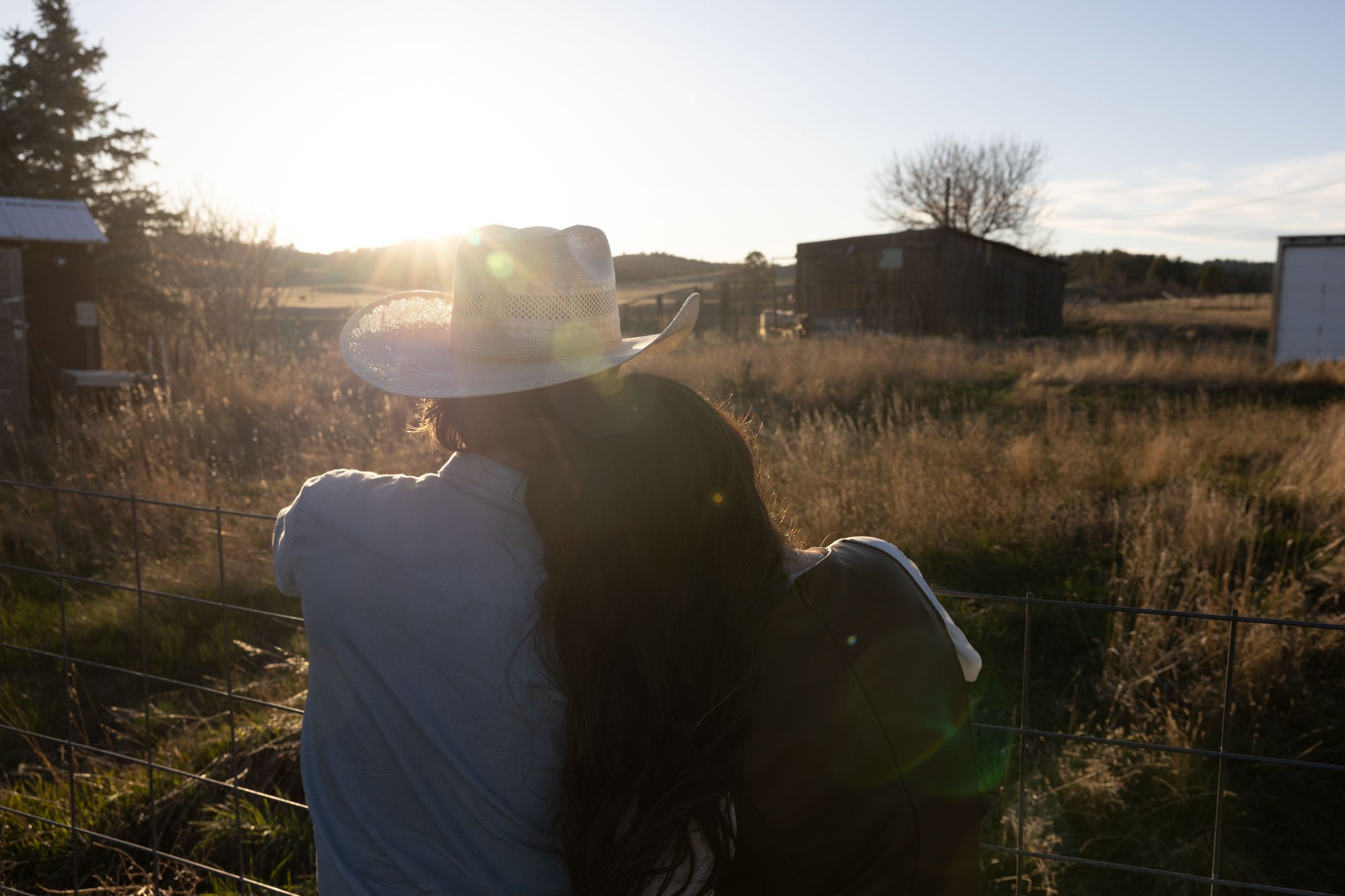
Where Legacy Lives
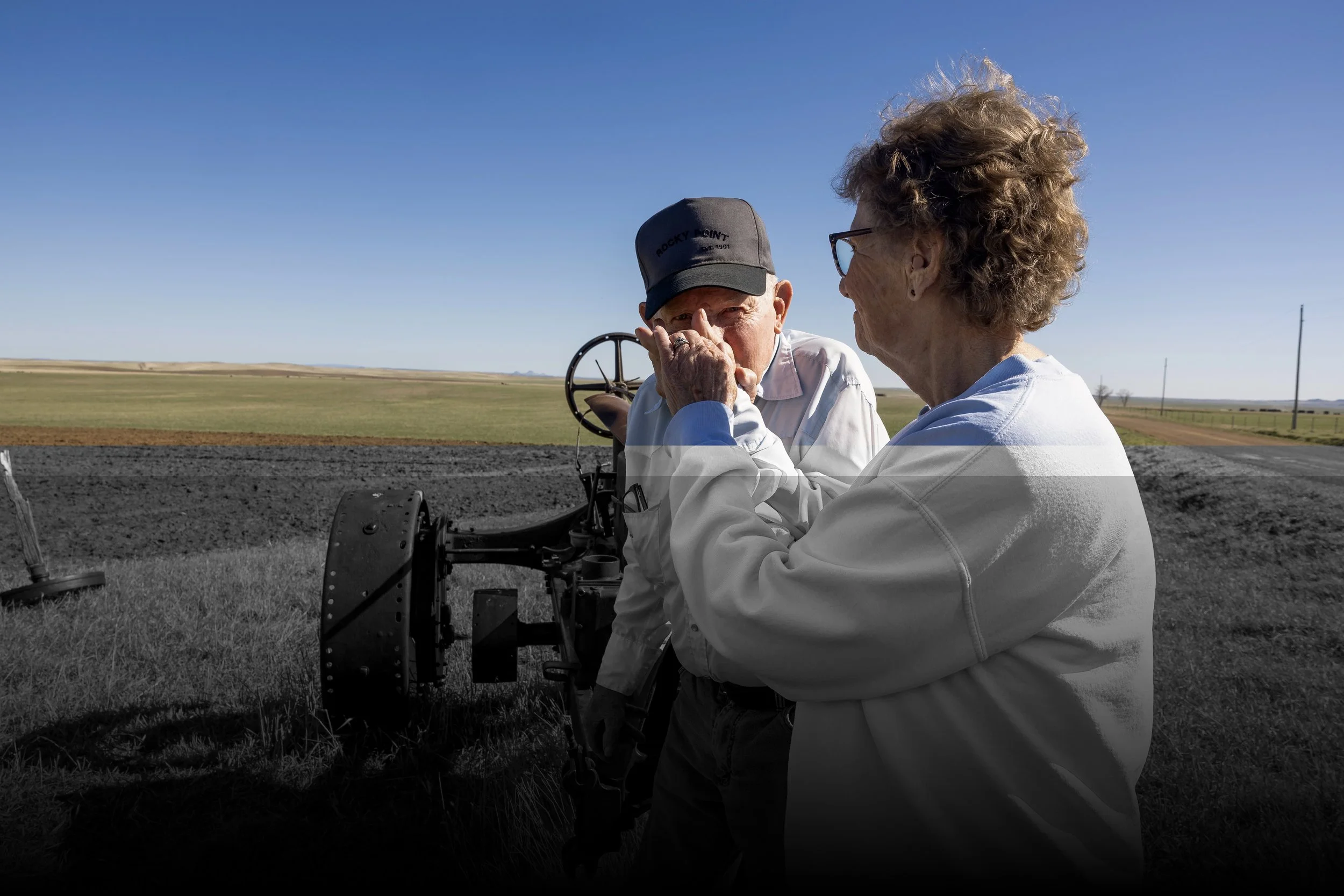
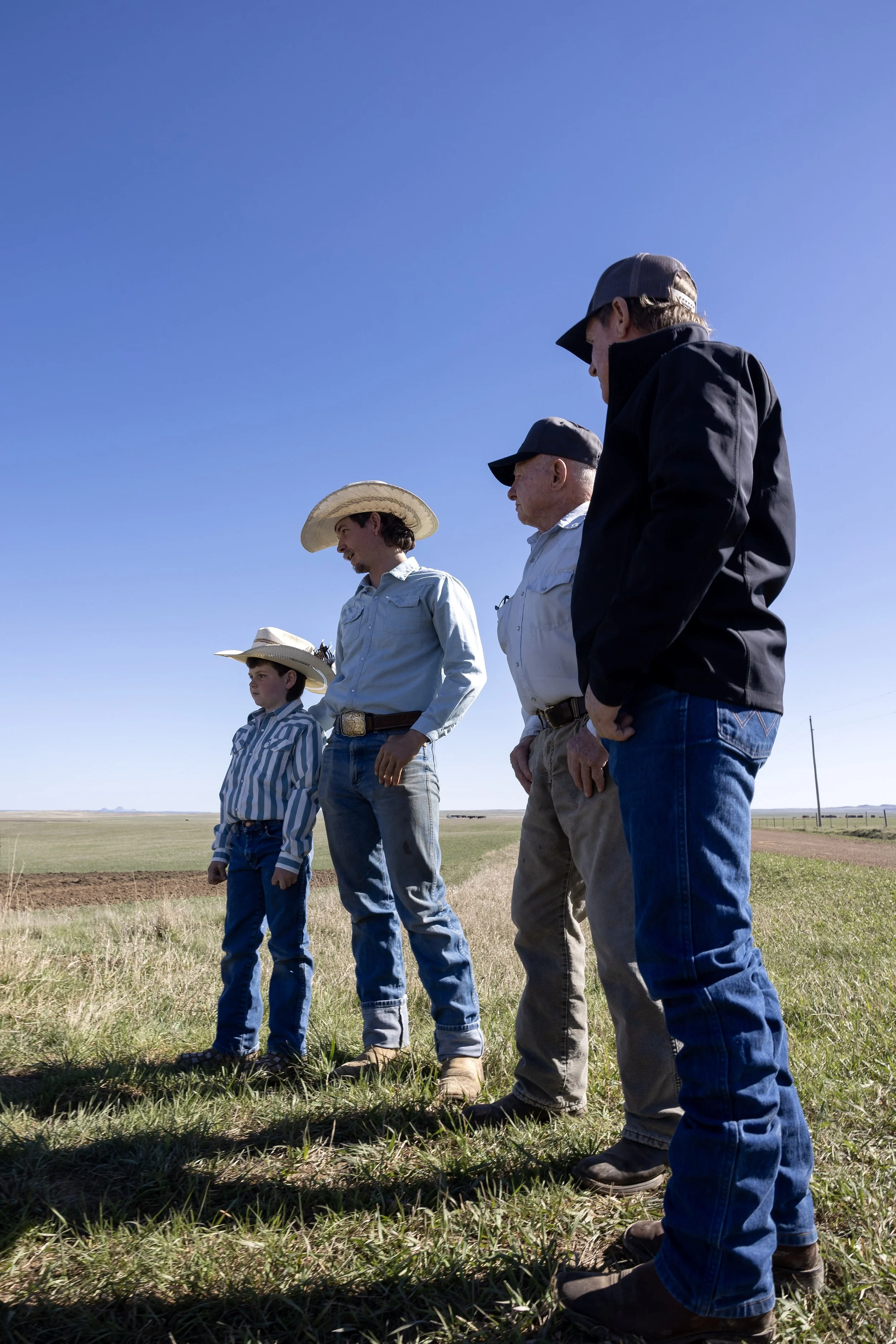
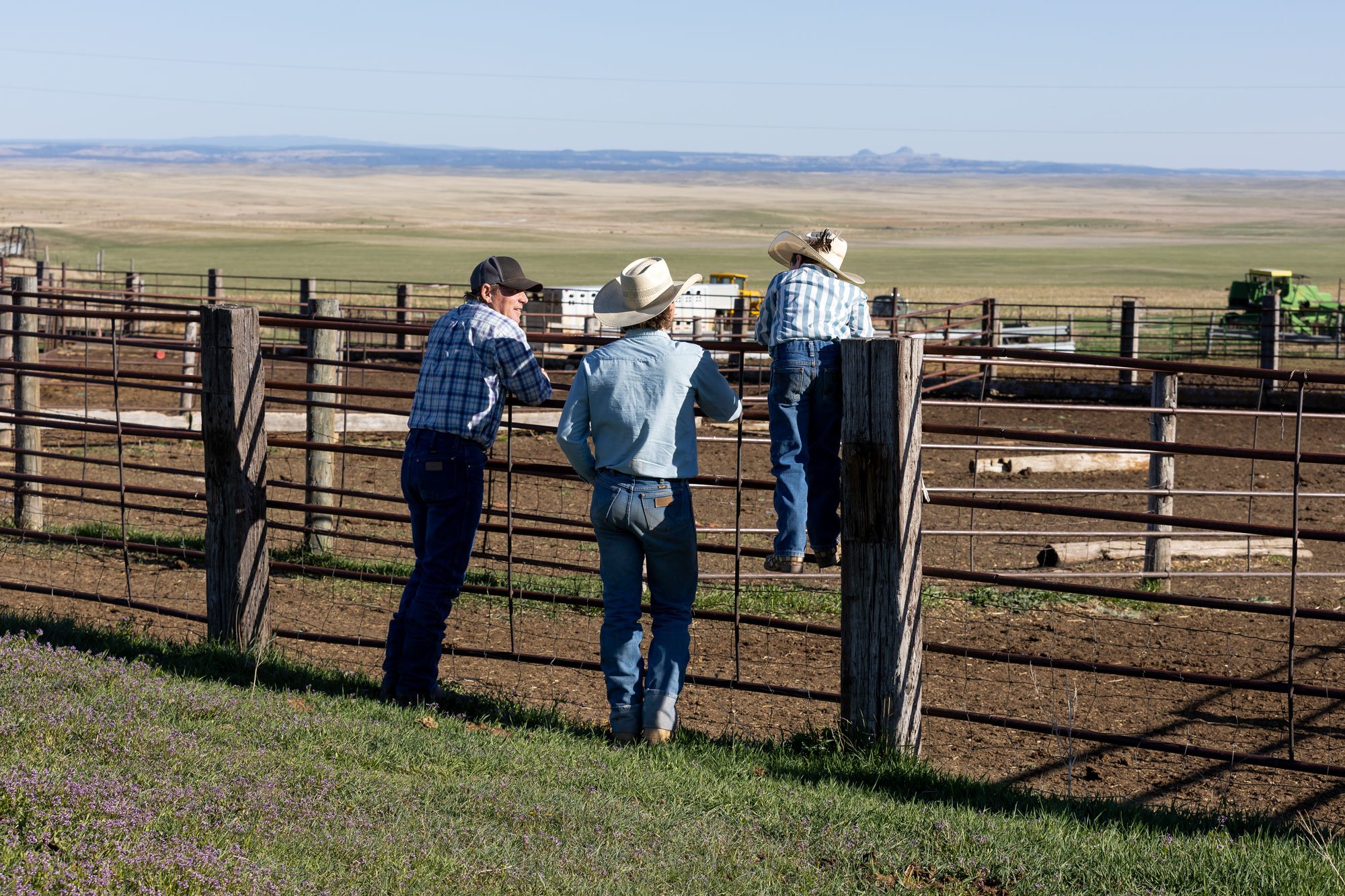
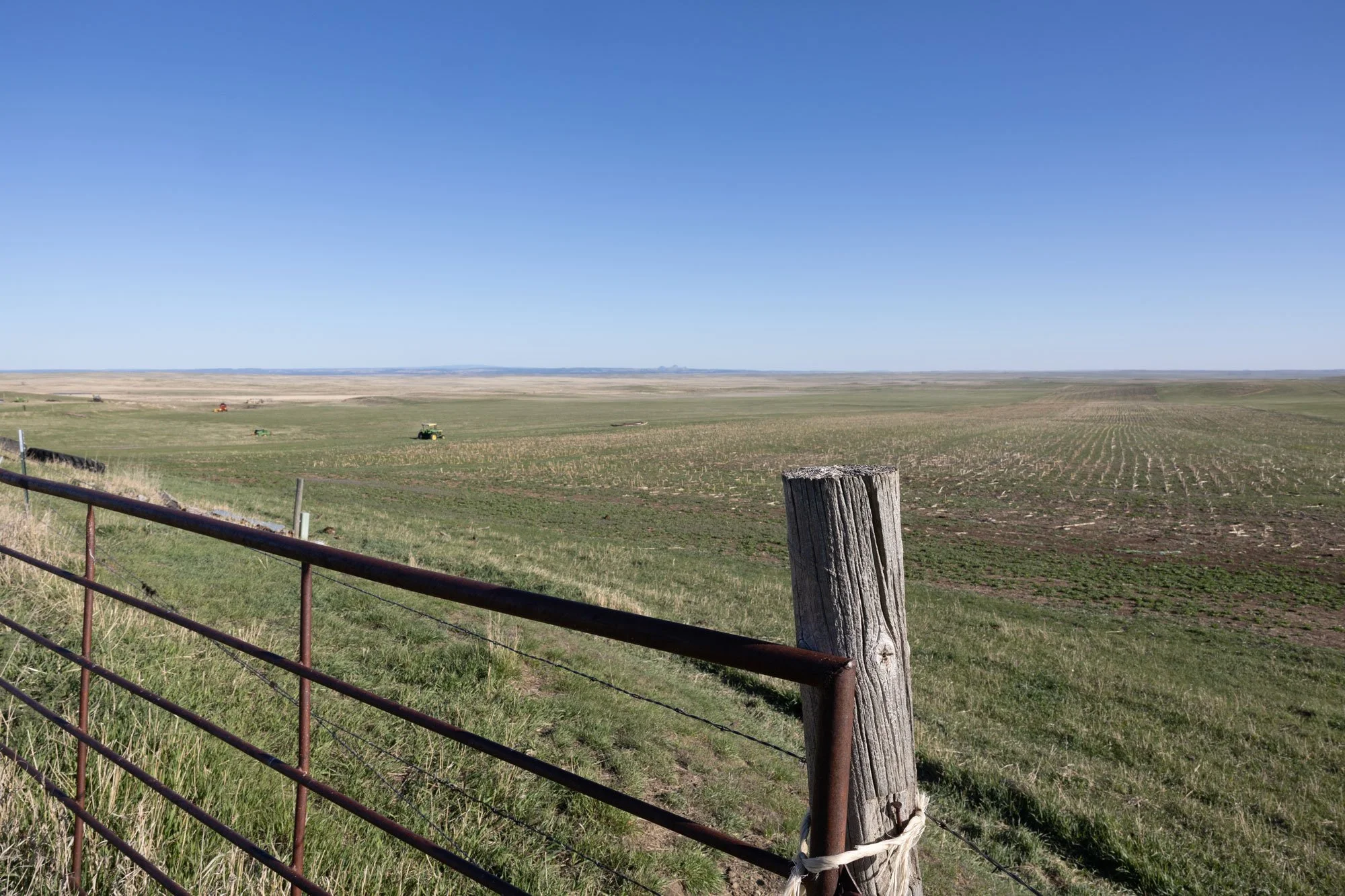
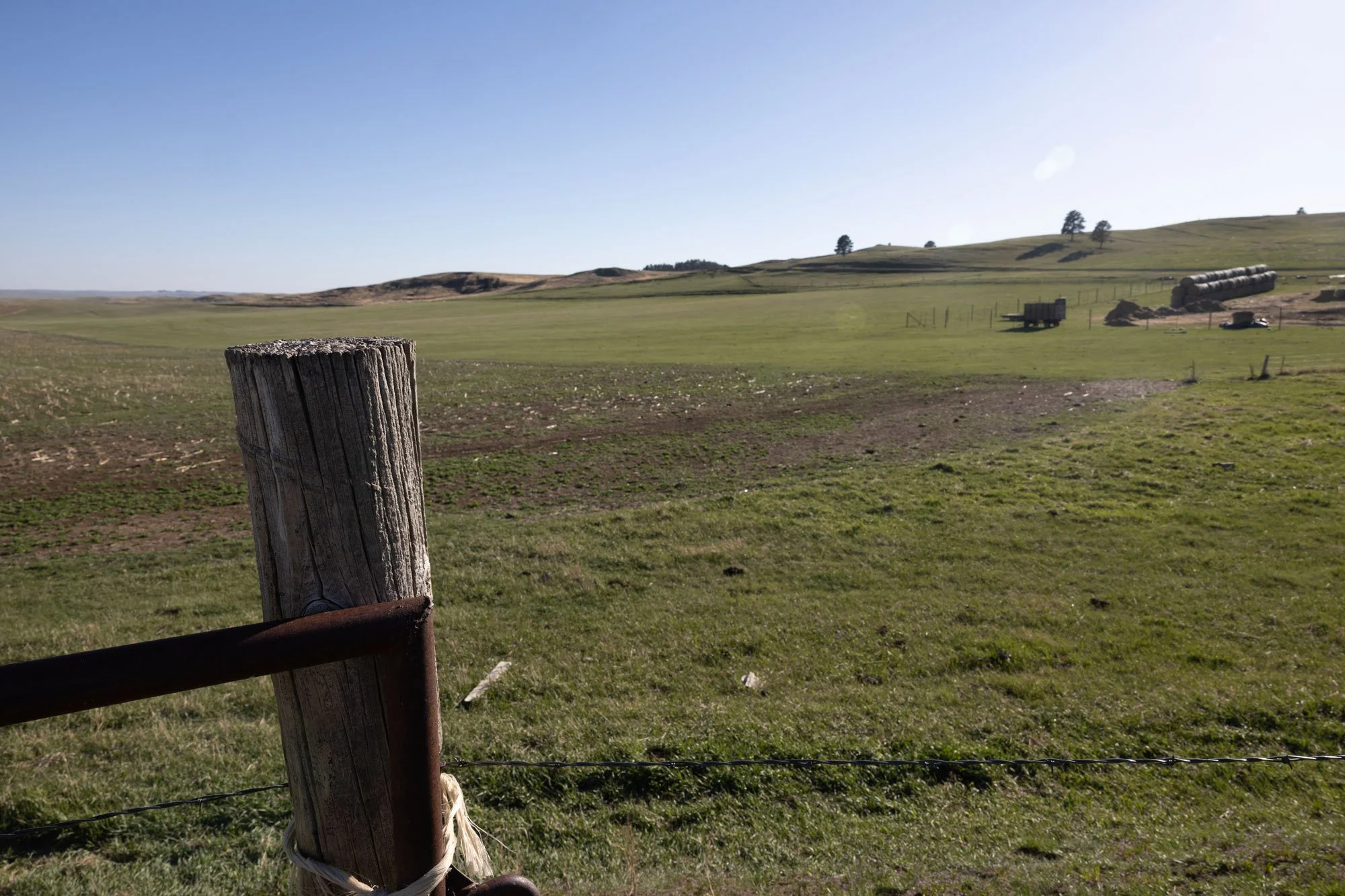
In Wyoming, a homestead is not just a place to live. It’s also a legacy, shaped by hard work, patience, and the deep understanding that what you build today will carry forward, long after the day’s work is done. Out across the rolling hills of Rocky Point, where sagebrush meets ponderosa and the wind writes its own stories across the grass, the West family continues a way of life that began more than a century ago - one sunrise, one season, and one generation at a time.
Roots in Opportunity, Anchored in Grit
The story begins in 1906, when Ray and Gertrude West left Orchard, Nebraska, traveling westward with little more than hope and the promise of land. Like many families of that era, word of opportunity traveled by mouth and memory. Several families made the same journey, drawn by the possibility of carving out a future where effort and determination could shape destiny.
As of 2026, the West family has lived in Rocky Point, Wyoming for 120 years. The land they settled still holds their footprints - some visible in aging buildings and worn fence lines, others carried quietly in the traditions passed from one generation to the next. Just down the road, another homesteading family, the Kuhbachers, share a similar origin story. Their histories are woven together by geography, marriage, and time.
What has endured most clearly through the decades is a simple but unyielding belief: do what it takes to succeed on the land you have. No one else will do the work for you. Livestock comes first. It always has.
Days That Begin Before the Sun
On the West homestead, mornings begin long before most of the world stirs. In early spring, the rhythm starts as soon as the first hint of light edges across the horizon. By 6:30 a.m., the school bus arrives to carry their seven-year-old son to the local rural school, while tractors are already warming and cattle chores are underway.
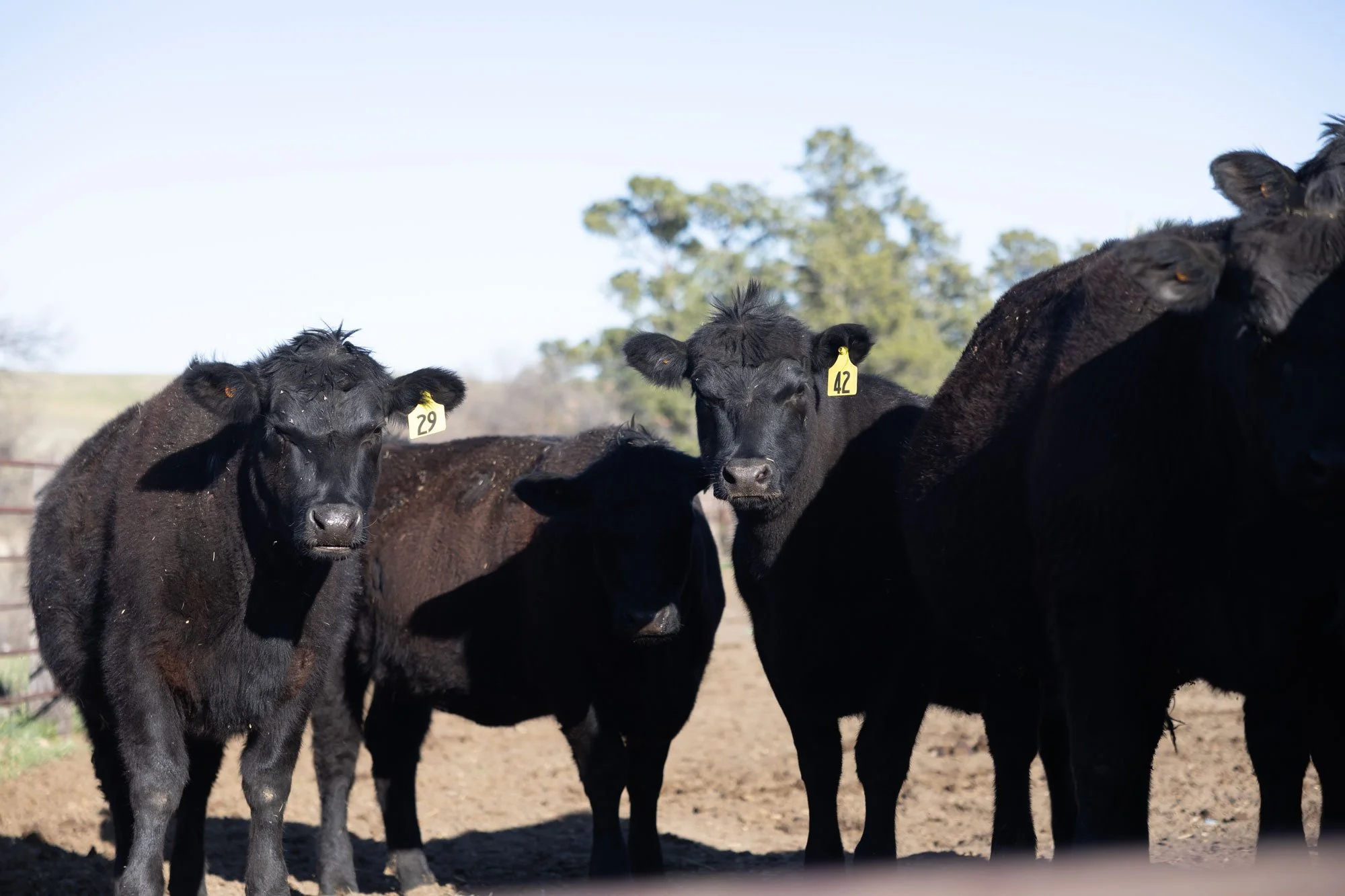
The family runs Black Angus cows in a cow-calf operation, alongside farming alfalfa, grass, and corn silage—feed that, God willing, will carry their livestock through winter months. Feeding cattle alone can take four to five hours. While one side of the family heads to the fields, the work at home begins just as steadily.
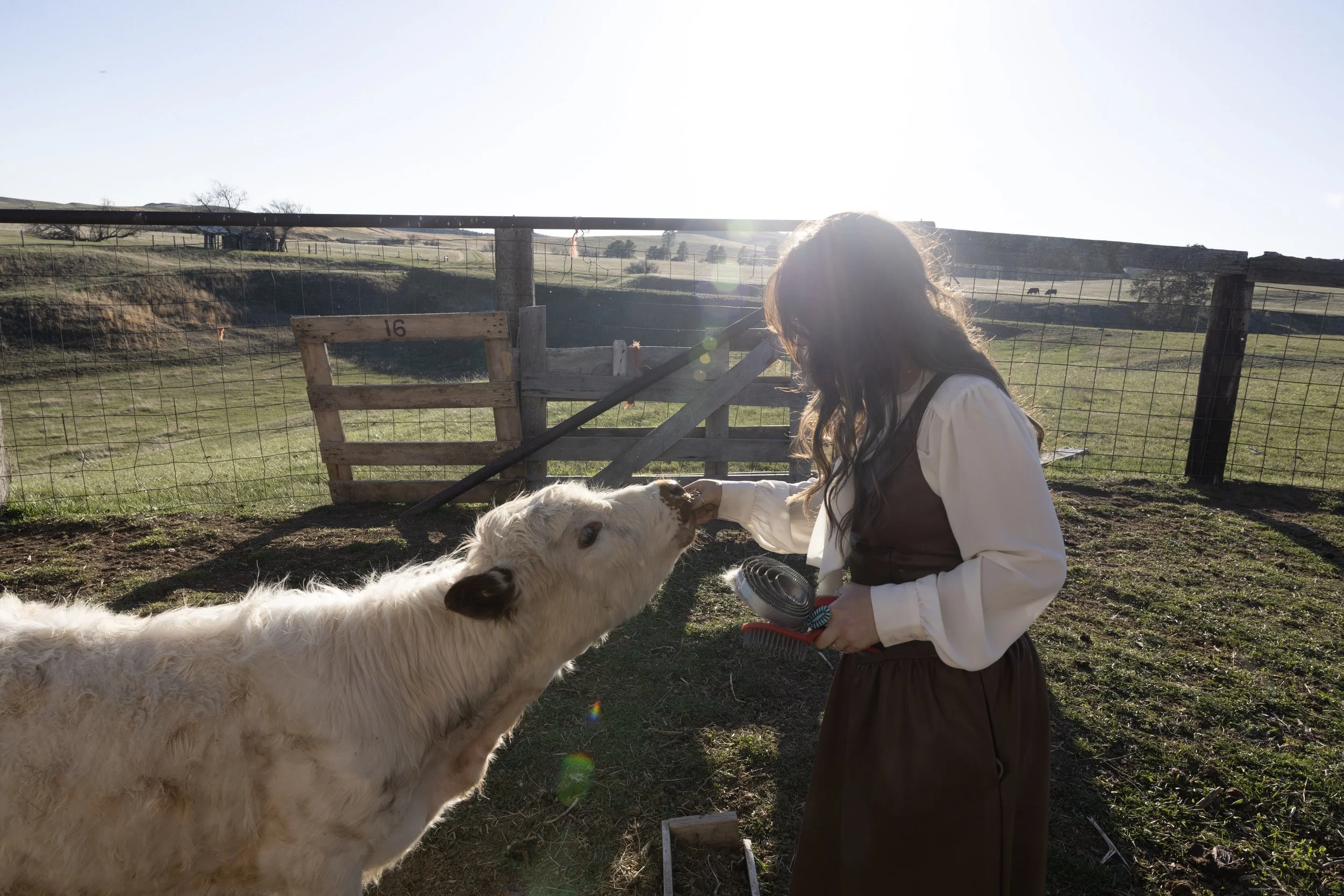
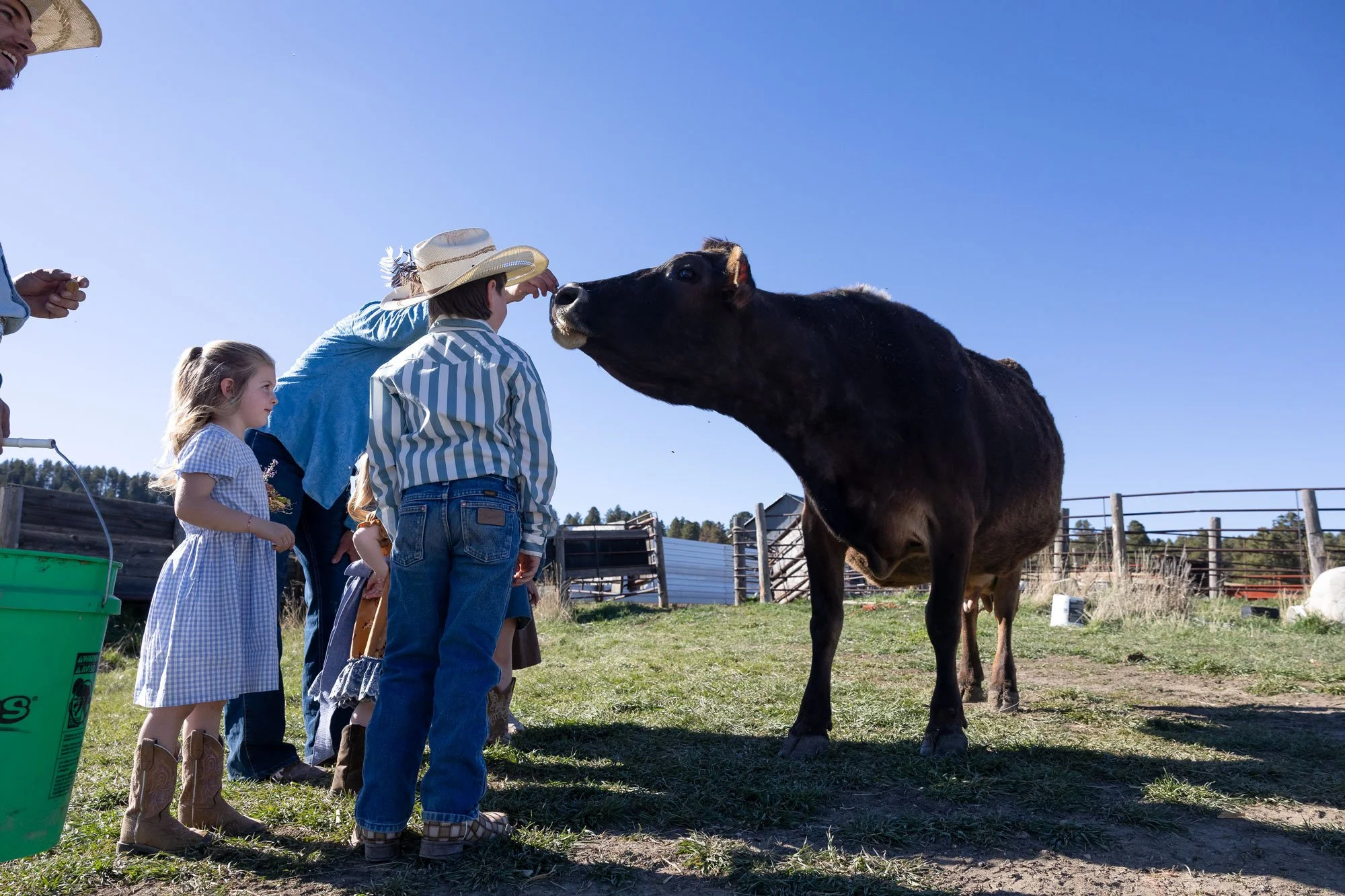
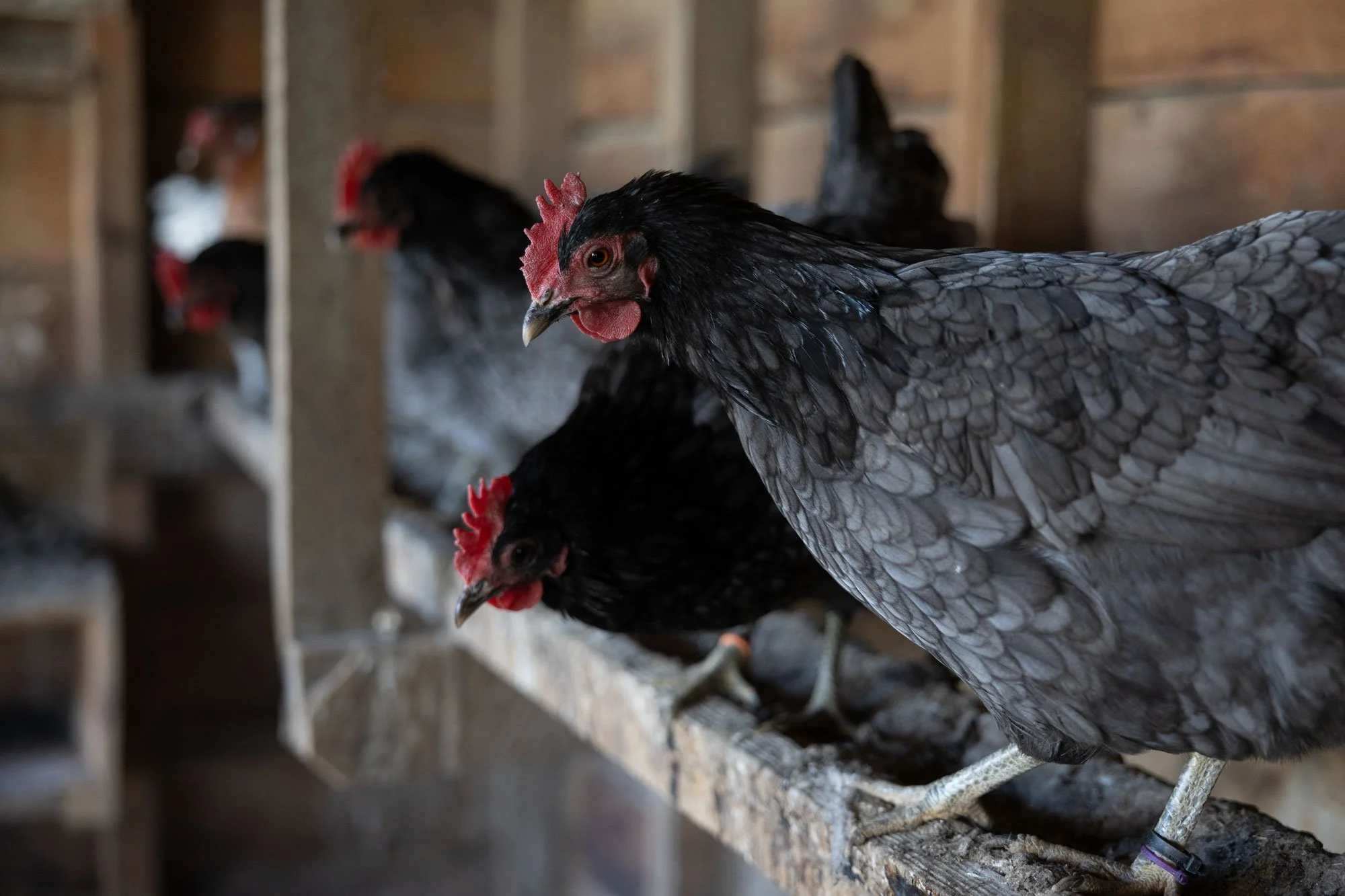
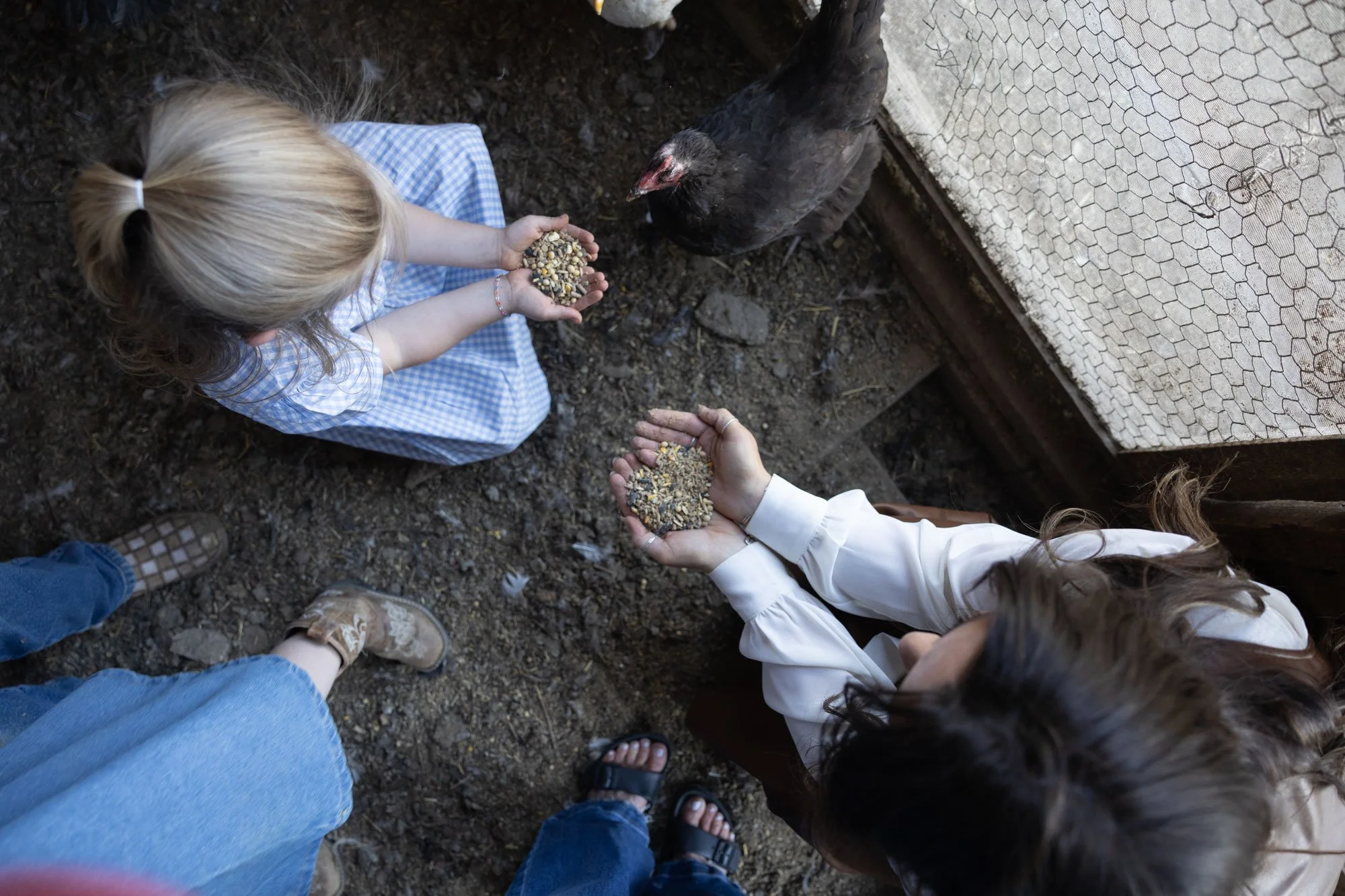
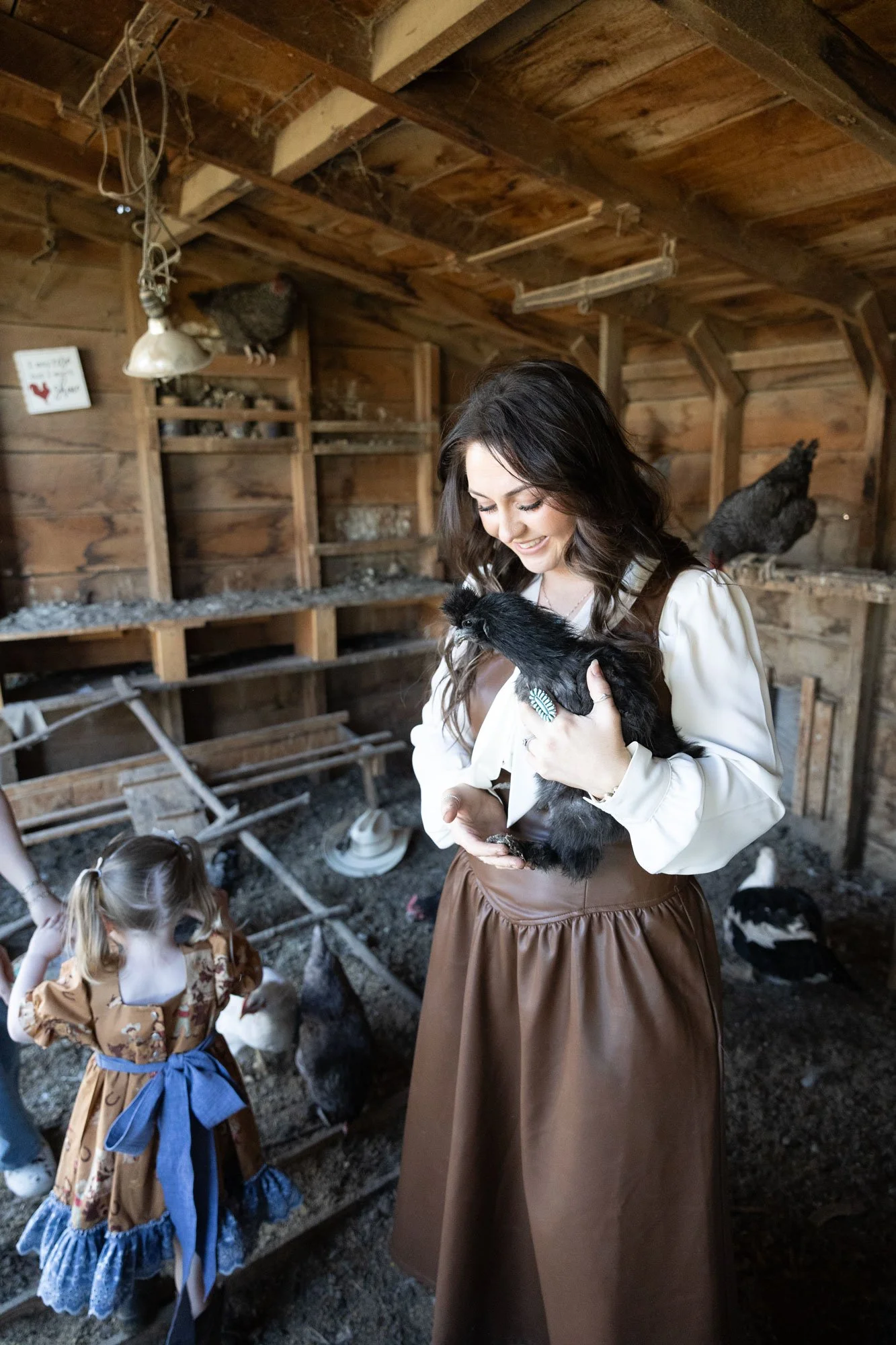
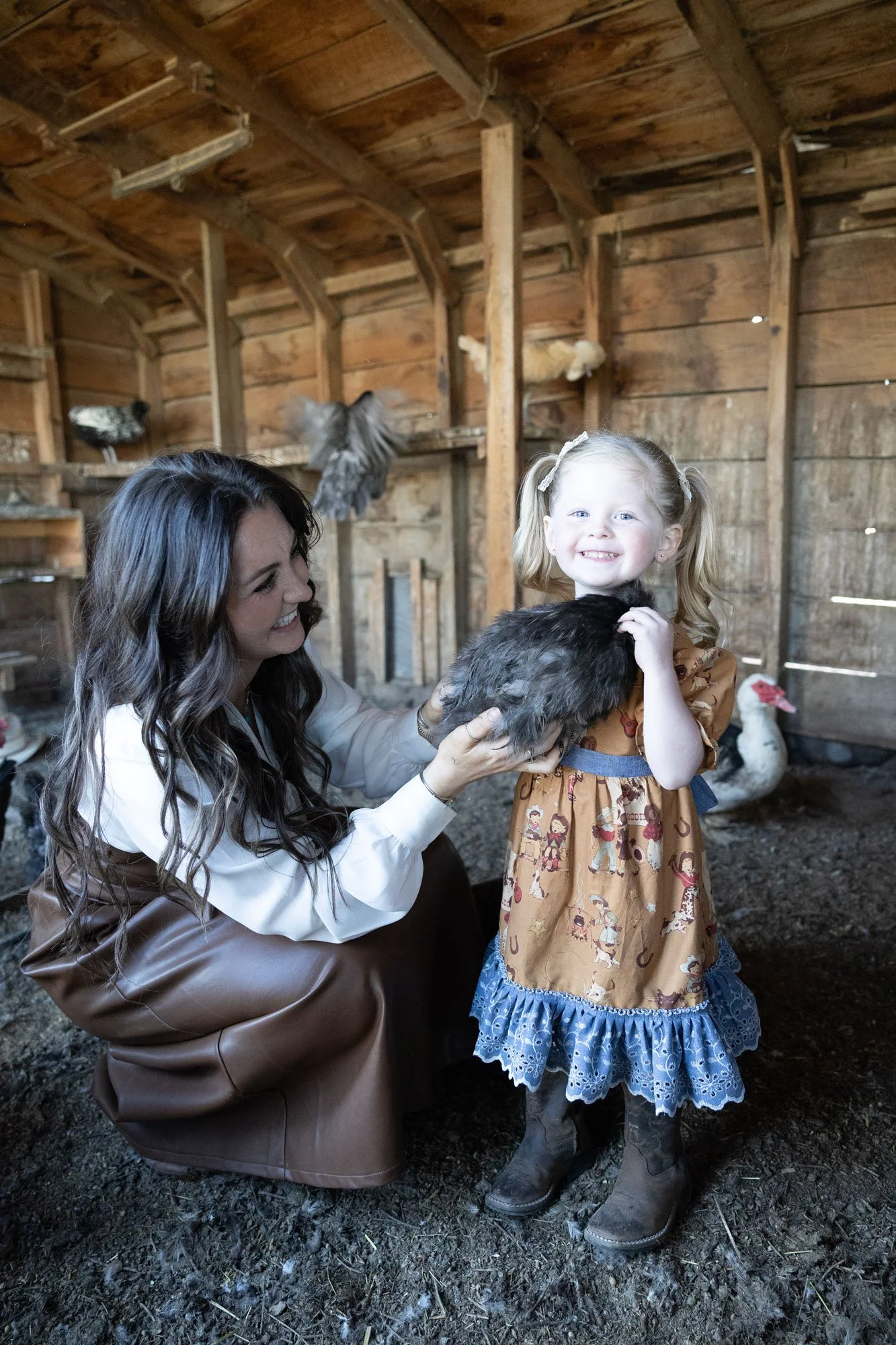
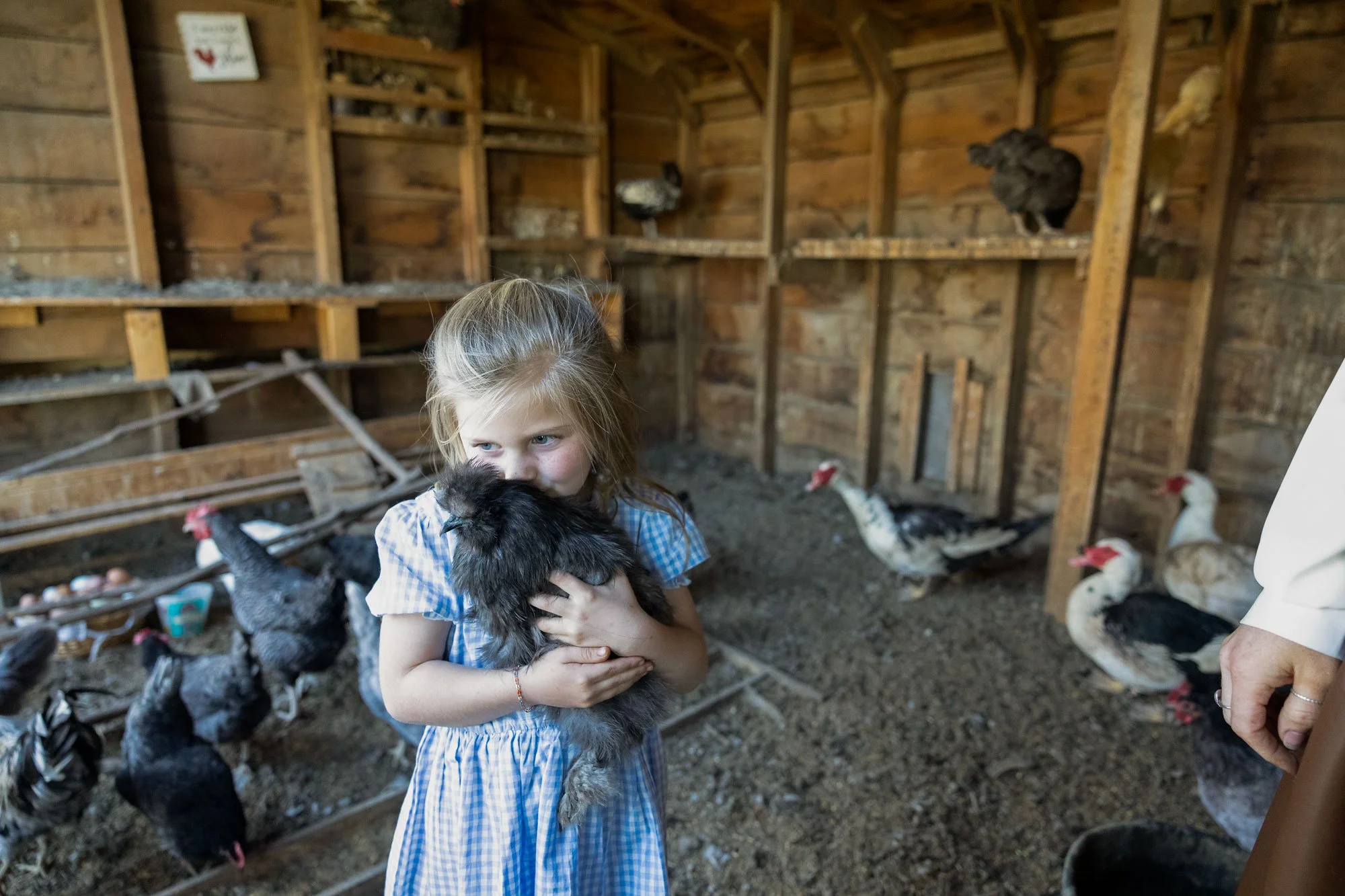
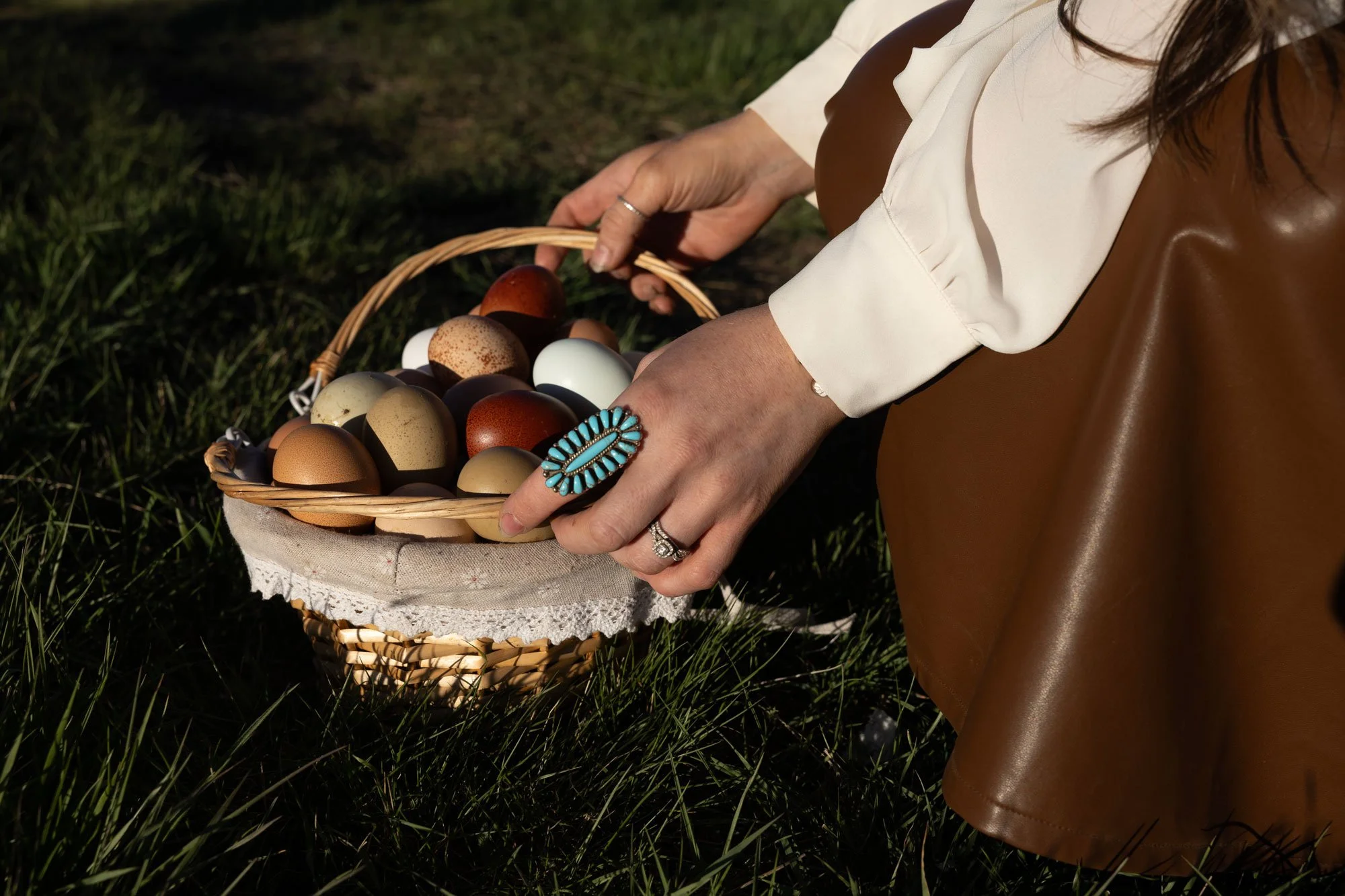
Chickens scatter across the yard. Dogs circle the barn. Cats weave between boots. Even miniature Highland cows require their share of attention. Every animal depends on care, and every chore matters.
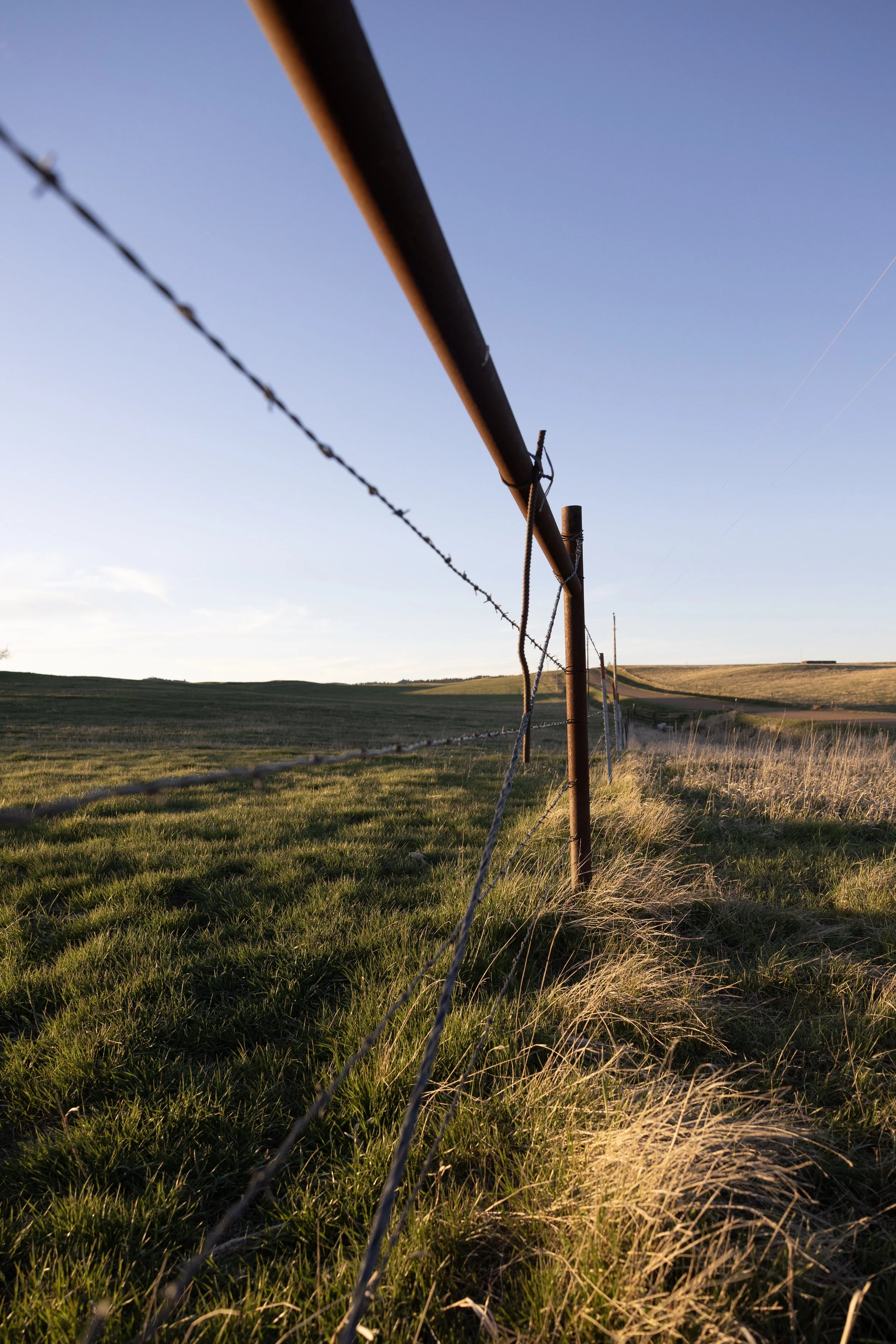
Lunch is one of the day’s sacred pauses. No matter the workload, the family gathers together at midday, sharing food and conversation before heading back out into the rhythm of work. Afternoons shift with the seasons: checking fence lines, preparing fields, working cattle, or, on rare occasions, stealing a few quiet hours together at home.
Summer stretches the days long into golden evenings. Fall brings the roar of corn chopping and the careful stacking of hay. Winter settles in with shorter light and longer nights, demanding endurance and preparation. Every season leaves its mark, and every season shapes the next.
Raising Children Who Know the Land
On this homestead, childhood looks different than it does in many places. It is rooted in responsibility, observation, and pride.
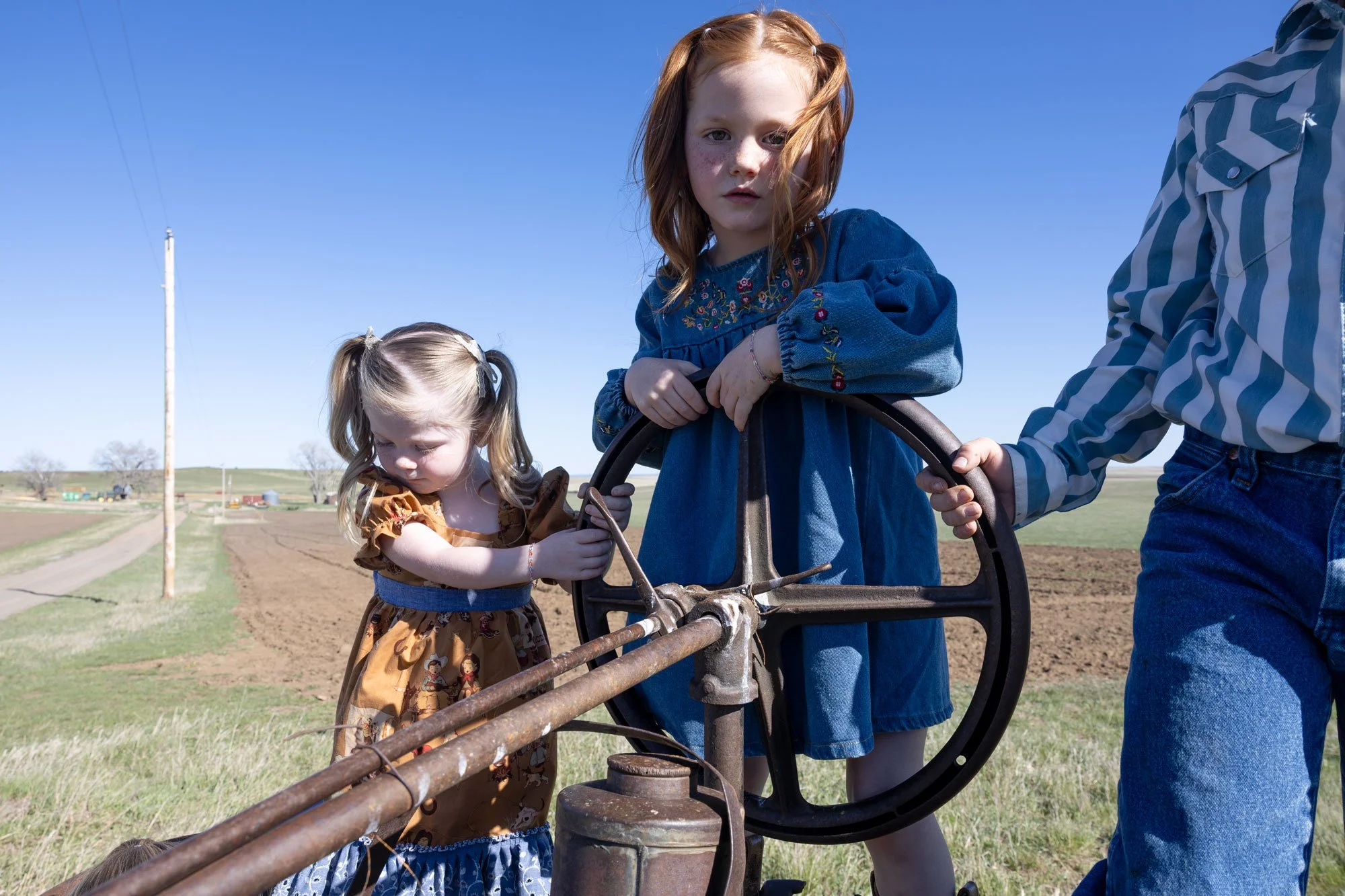
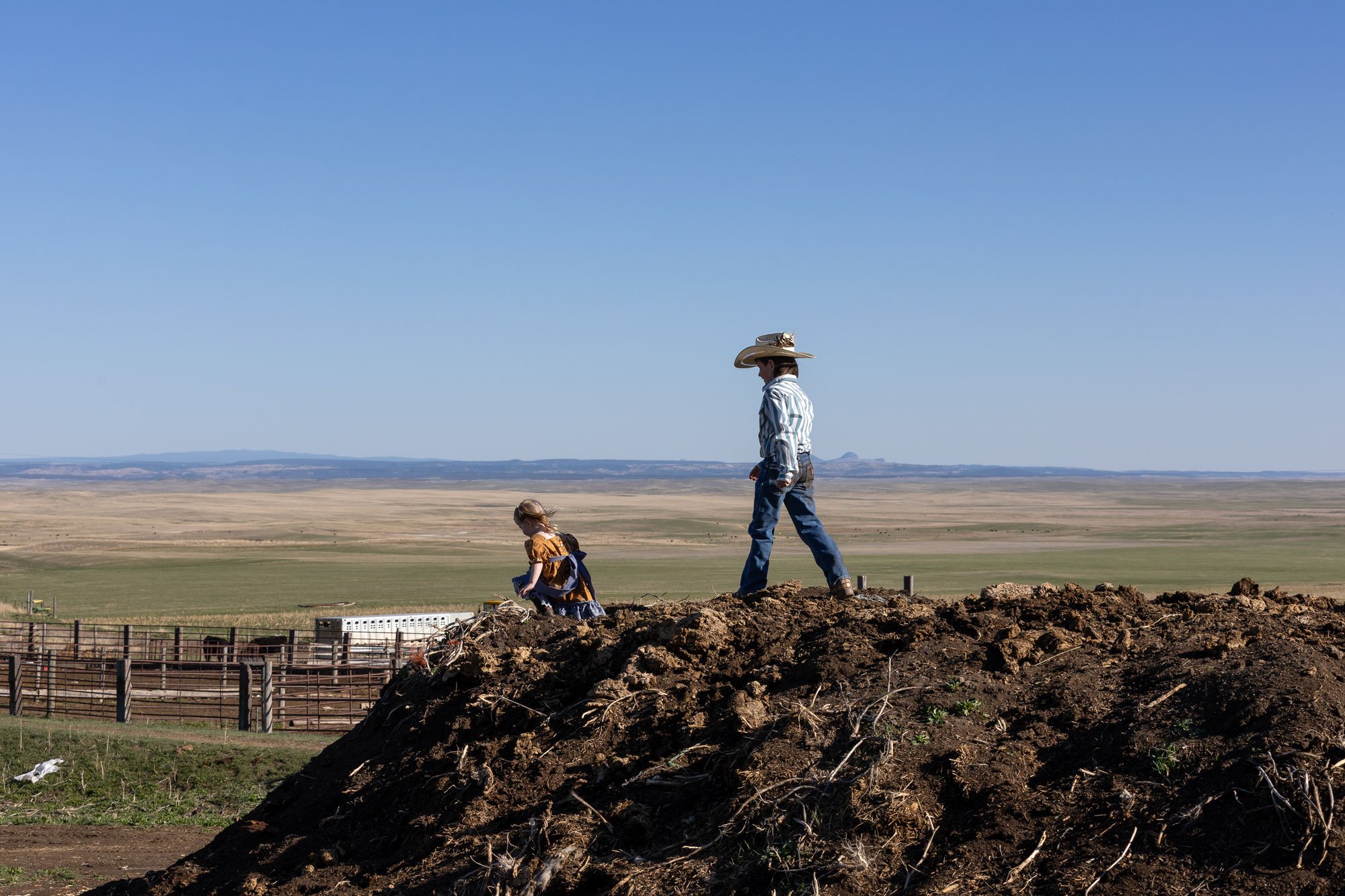
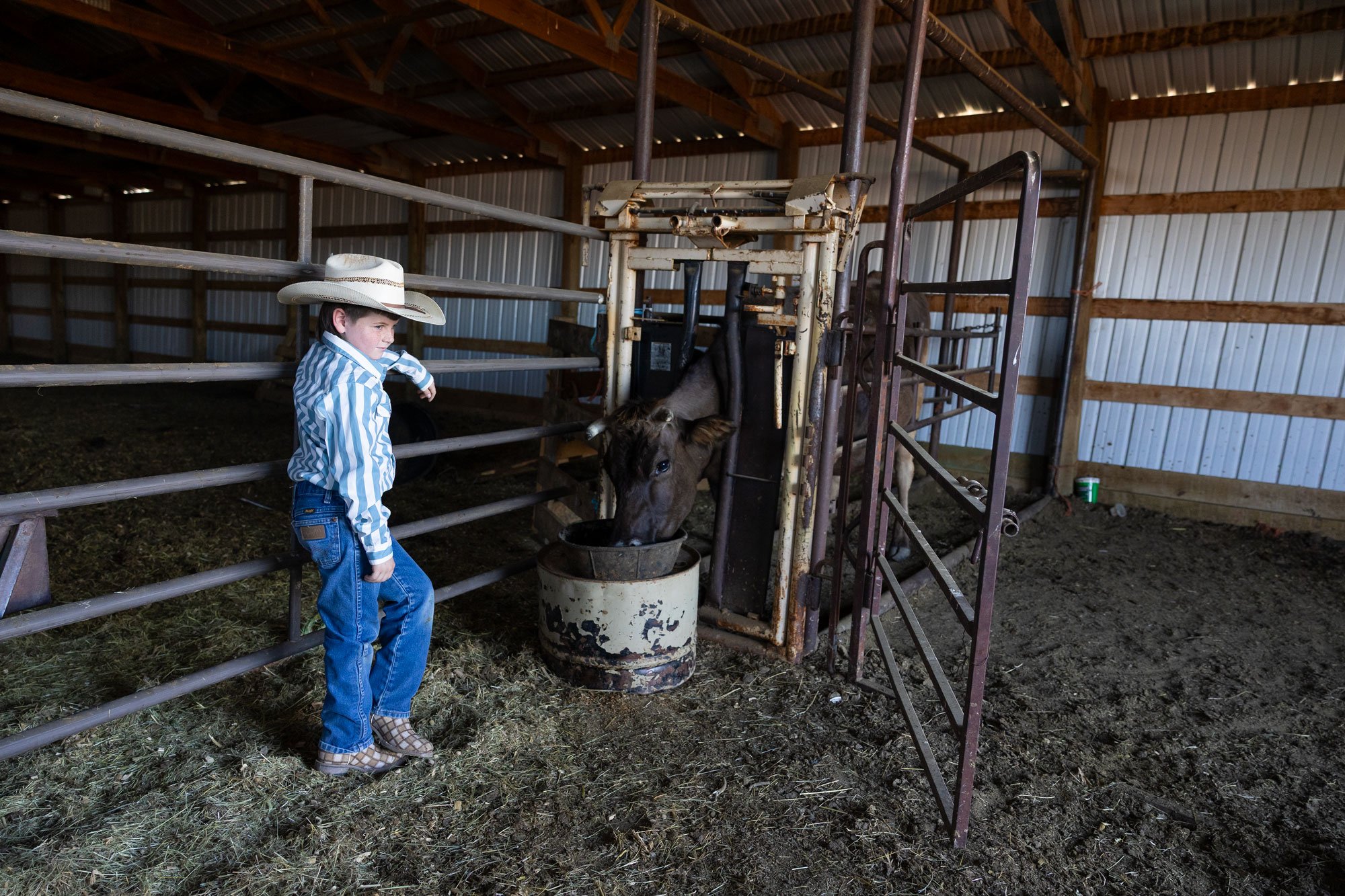
Carson, the oldest at seven years of age, takes his role seriously. He opens gates, calculates feed ratios on a small calculator, and rides along with his father, soaking in knowledge without always realizing it. His sisters follow close behind, learning in ways that are just as meaningful. They know pasture names, recognize the rhythm of chores, and notice when something, even something small, is out of place.
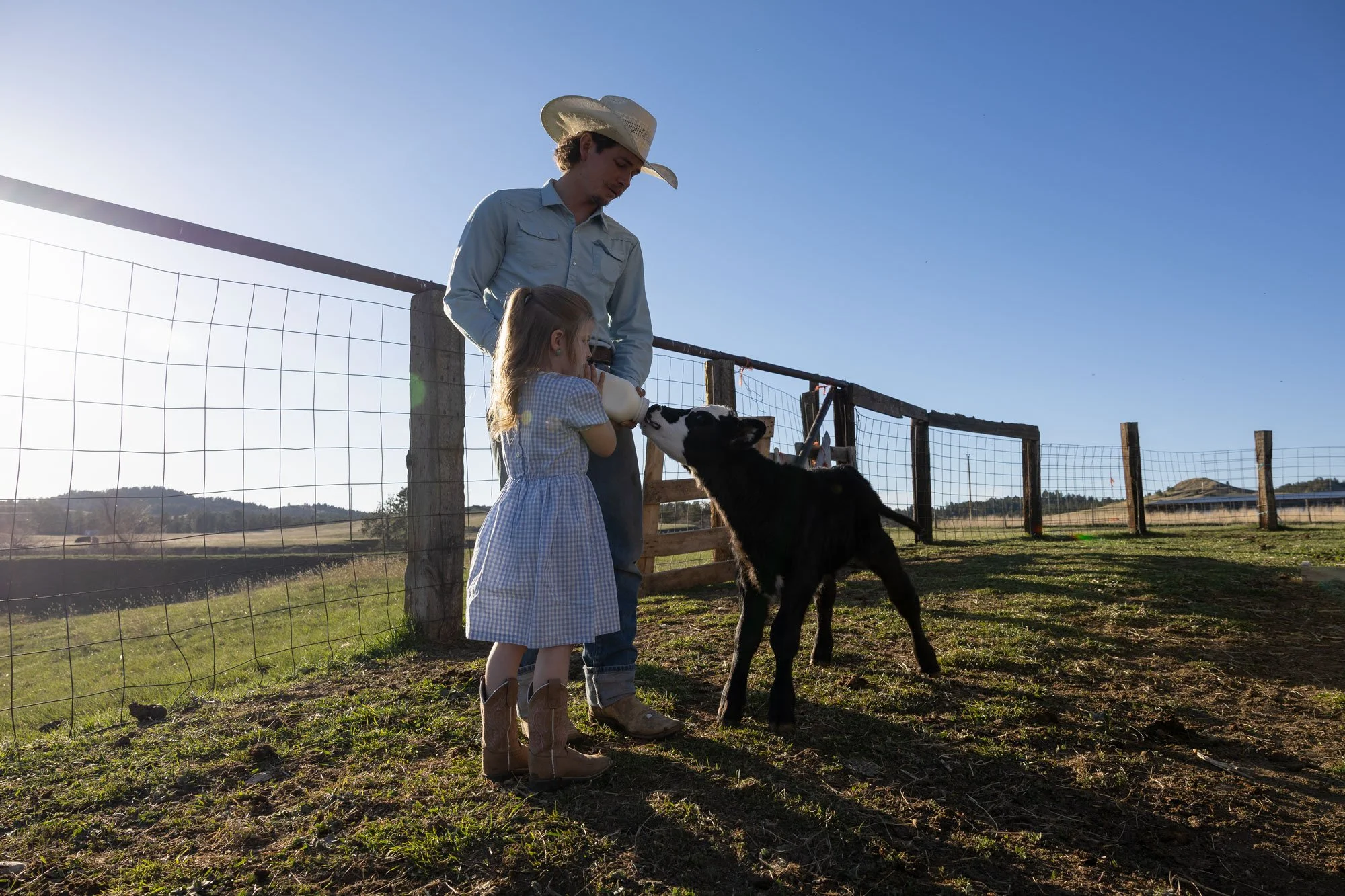
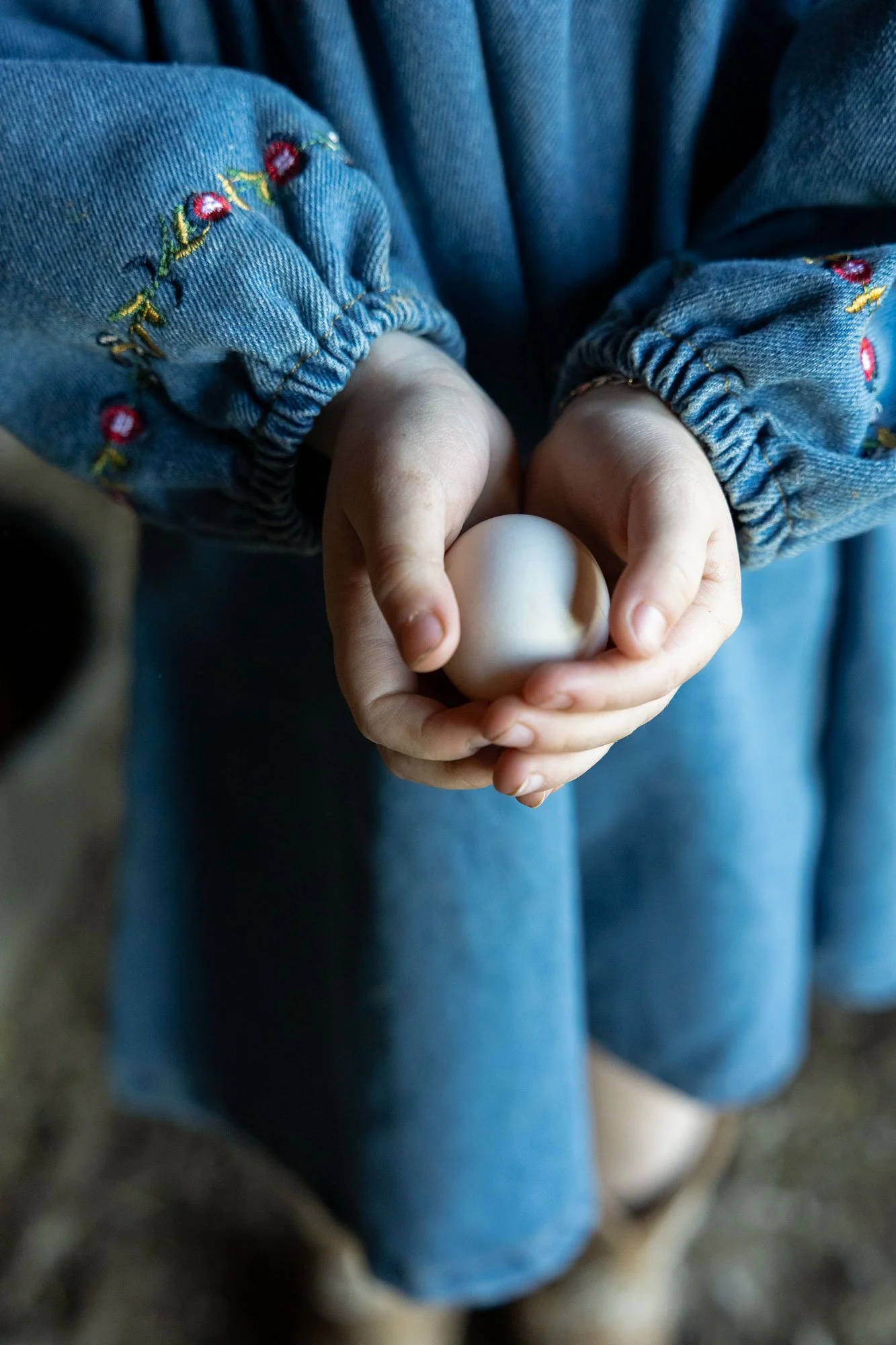
Mazie can name every milk cow in order. Livia knows the layout of pastures. Lettie delights in calling out to cattle across open space. Even when the children are too young for certain tasks, they are given jobs suited to their size. They learn not just what to do, but why it matters. That sense of belonging, of being needed, builds confidence and connection to the land.
And through it all, the lessons unfold naturally: appreciate the small moments, respect the work, and take pride in doing things well.
Community That Stands the Test of Time
Life in rural Wyoming is rarely lived alone. Communities here are stitched together by shared effort, long memories, and mutual care.
In Rocky Point, one of the most treasured traditions is the Happy Hour Club, a local nonprofit ladies’ organization that has existed for more than a century. Generations of West women have belonged to it, from great-great-grandmothers to today’s mothers and daughters.
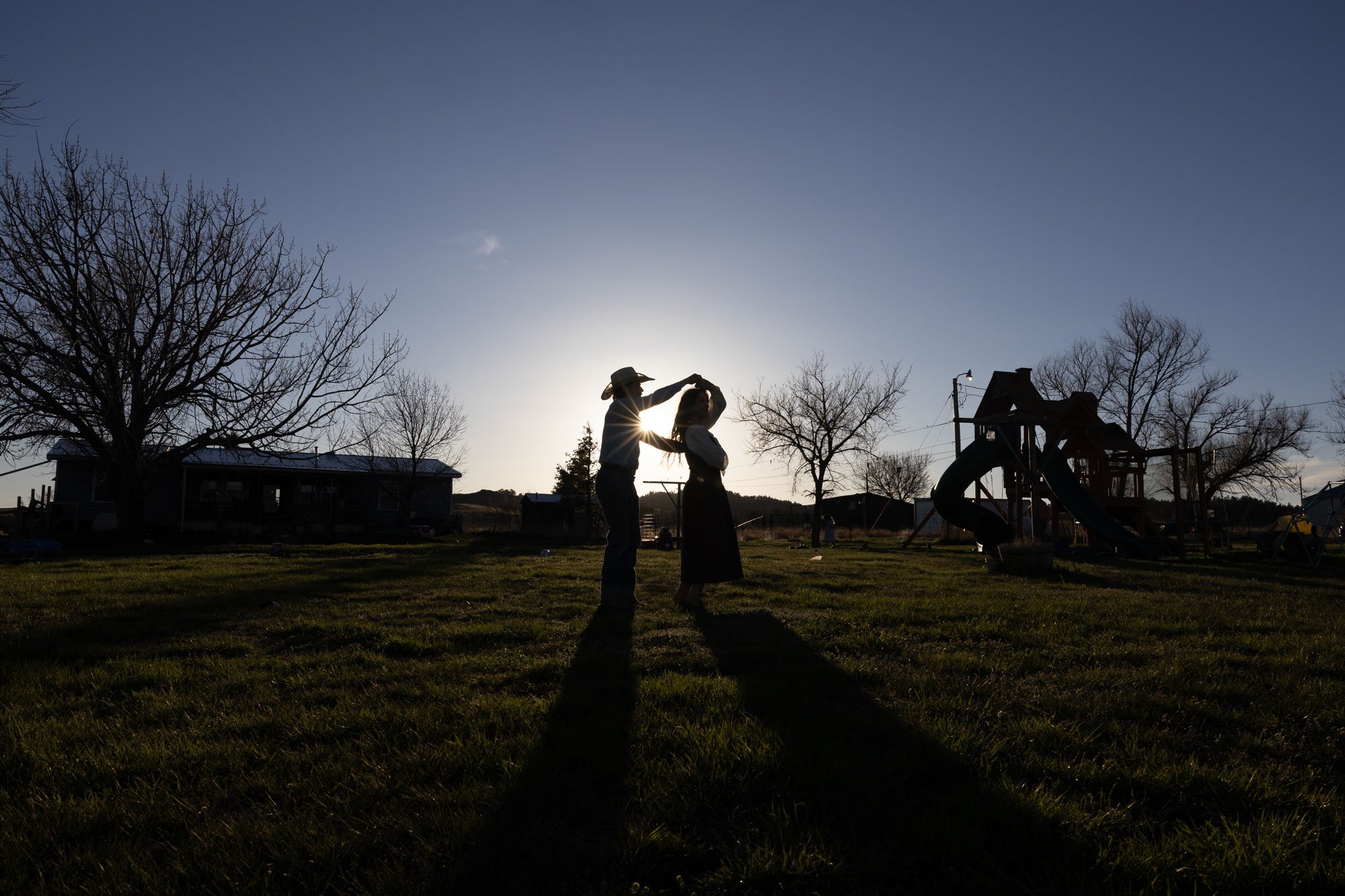
What began as simple gatherings - women visiting while children played and men worked - has grown into a cornerstone of the community. Today, the club organizes country dances, supports families in need, and hosts gatherings that bring neighbors together year after year.
Summer Sundays often involve volleyball games stretching into evening light and laughter echoing across fields. These moments, though simple, become the threads that hold communities together through seasons of challenge.
Learning Skills That Sustain a Life
Homesteading demands a wide range of skills, many of which cannot be learned from books alone. Knowledge is passed hand to hand, voice to voice.
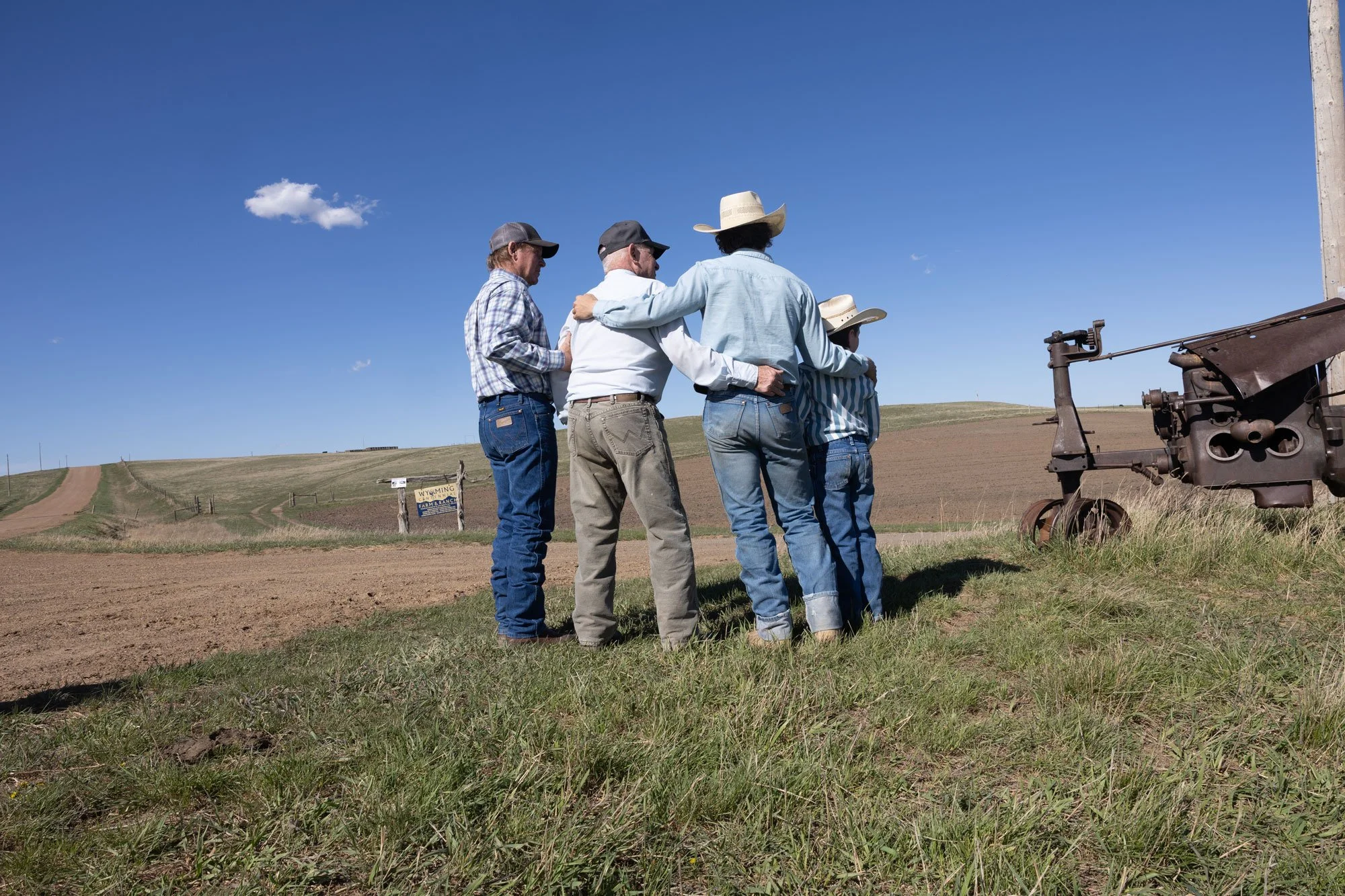
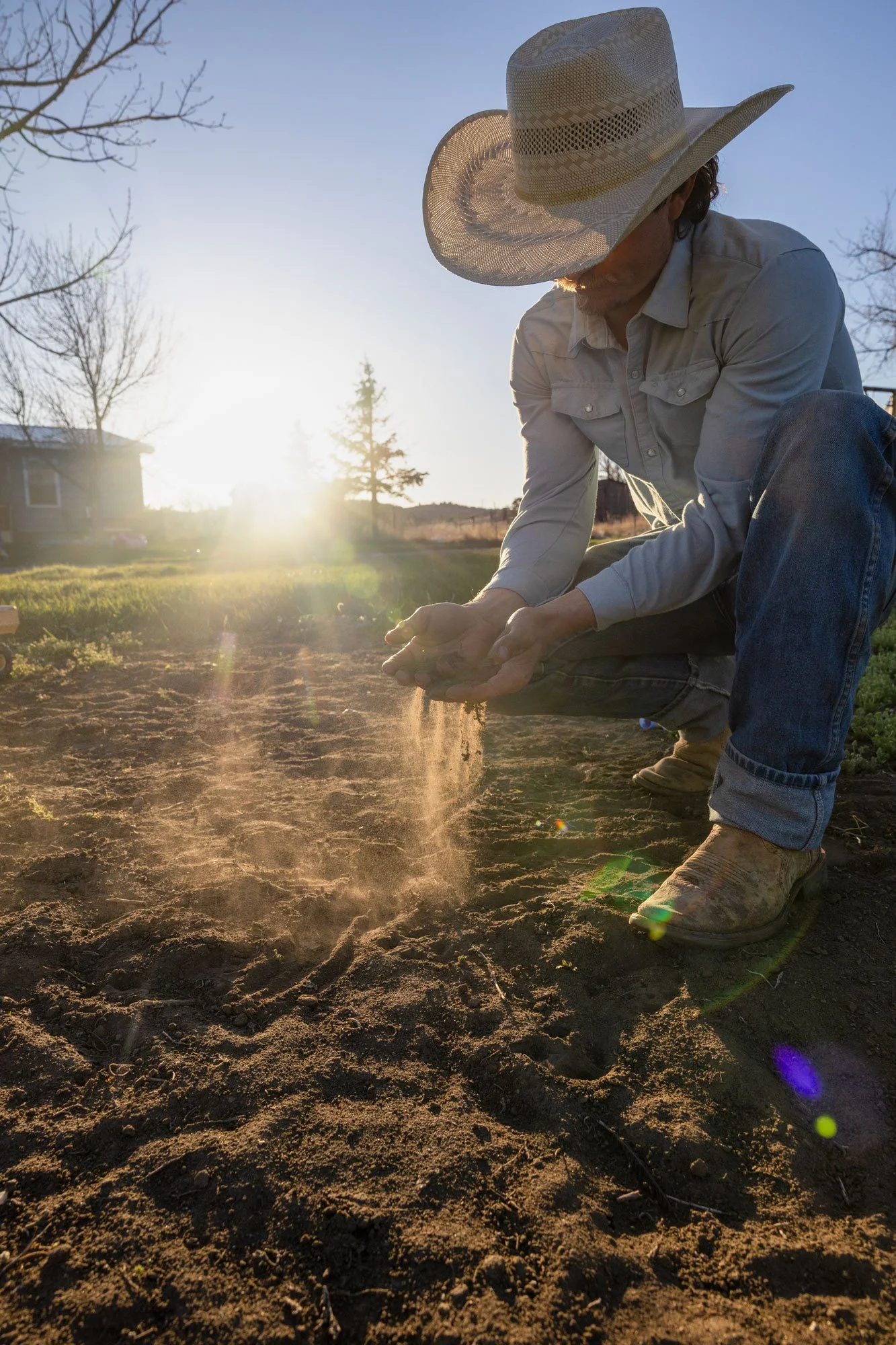
Much of what keeps the West homestead thriving today comes from the wisdom of parents and grandparents. A father-in-law explains why certain crops are chosen and why cattle management shifts from year to year. A mother-in-law teaches gardening techniques with patience and precision, guiding seeds into soil and nurturing them into harvest.
One treasured tradition begins each spring in the greenhouse, where seeds are carefully started by hand. Even more remarkable is the practice of raising baby chicks inside the greenhouse itself. As they grow, the chicks scratch and loosen soil, fertilize naturally, and consume pests, preparing the ground for healthy planting ahead. It is a method rooted in observation and experience, a perfect example of how generations refine techniques until they become second nature.
And then there are the recipes—like the coconut cream pie passed down from Logan’s great-grandmother. No gathering feels complete without it. The taste alone carries memory, tradition, and belonging.
The Land as Teacher
Living close to the land is both humbling and rewarding. It teaches lessons that cannot be ignored.
Sometimes, despite every effort, things do not go as planned. A storm may flatten crops. A calf may fail to survive. A well may run dry at the worst possible moment. These are realities of homestead life—hard truths that require resilience. The land also teaches perseverance. With every sunrise comes a chance to begin again. With every challenge overcome comes greater resolve.
There is beauty here, too - moments that quiet the noise of the outside world. A snow-covered sunrise, glowing gold against the winter sky. The smell of rain carried on the wind ahead of a thunderstorm. The first fragile sprout pushing through soil after months of waiting.
These moments are small, but they are powerful reminders of why this life matters.
Hard Days, Strong Foundations
Maintaining a generational homestead comes with its share of challenges. Buildings constructed decades ago require constant maintenance. Fence lines stretch across miles of land, demanding attention year after year. Water systems occasionally fail, halting work until repairs are made.
What keeps families moving forward is the understanding that the legacy they hold was built by those who refused to give up. Generations before faced storms, drought, and uncertainty, yet endured.
That same determination continues today, driven by the hope that children growing up on this land will one day choose to carry it forward.
The Moments That Make It Worth It
Some of the most meaningful moments on a homestead arrive quietly.
Just before sunrise, when the world is neither dark nor light, there is a stillness that settles across the land. In that silence, worries fade and clarity returns. Yesterday’s work is finished. Today’s work waits patiently ahead.
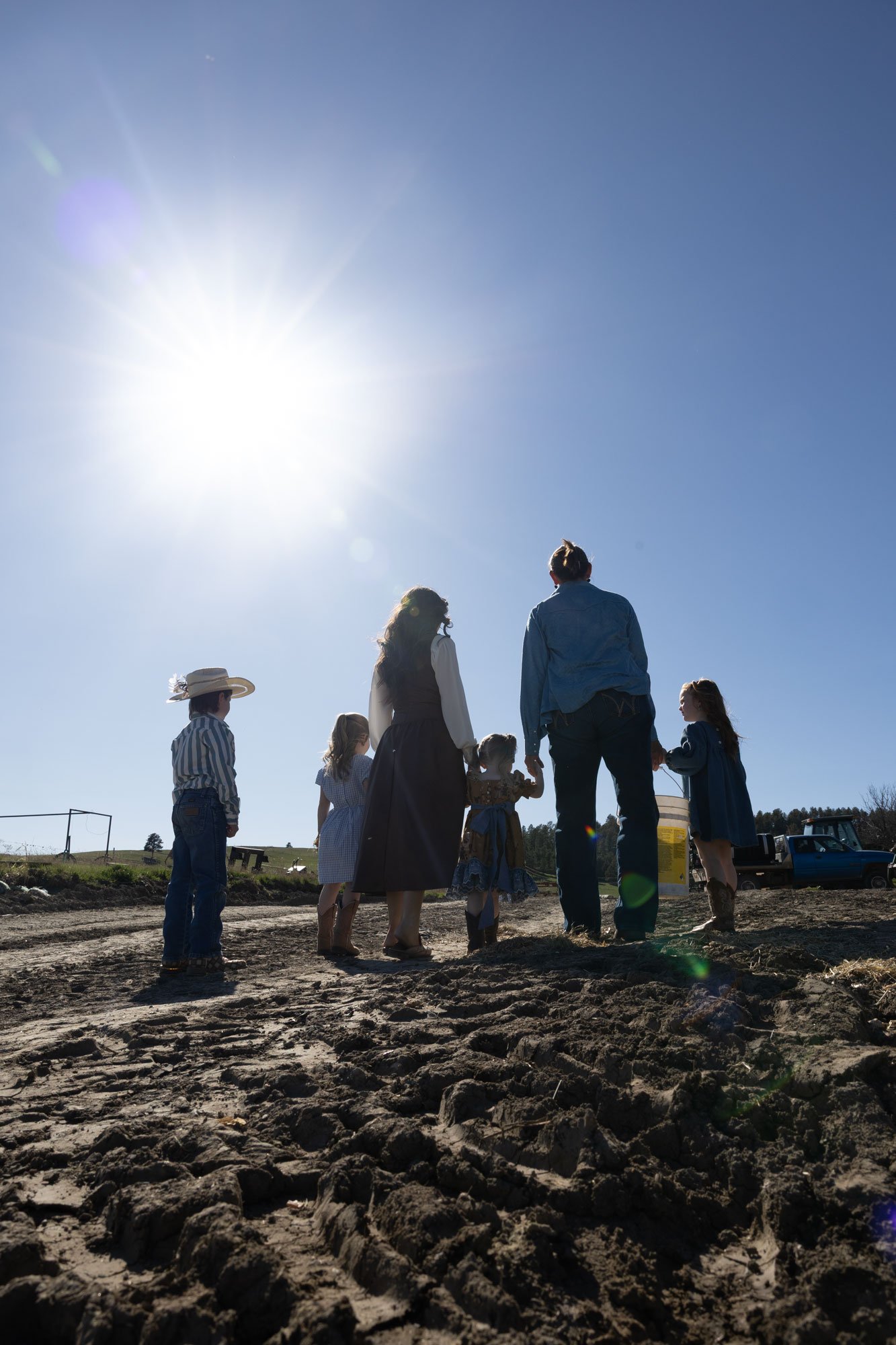
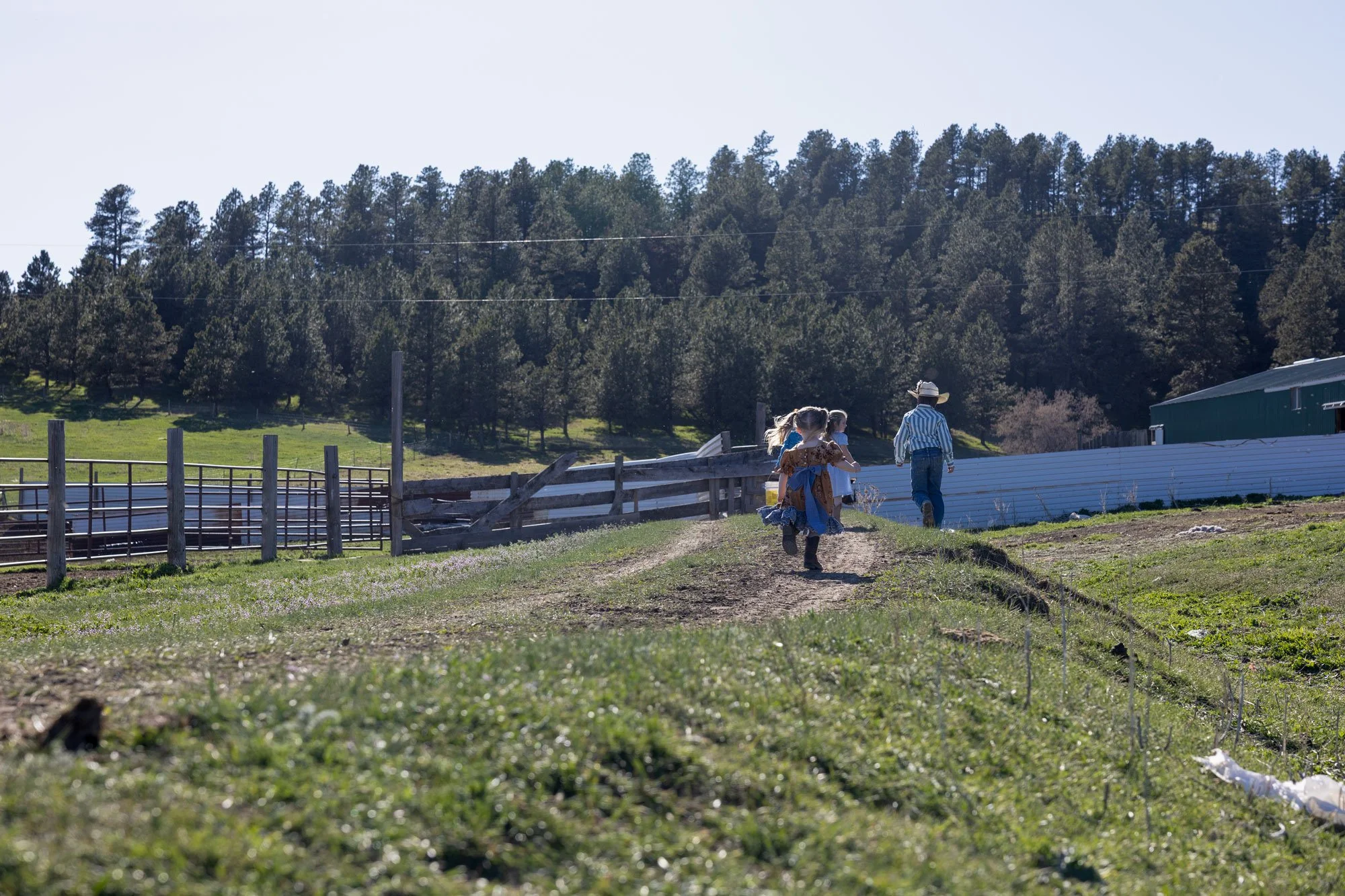
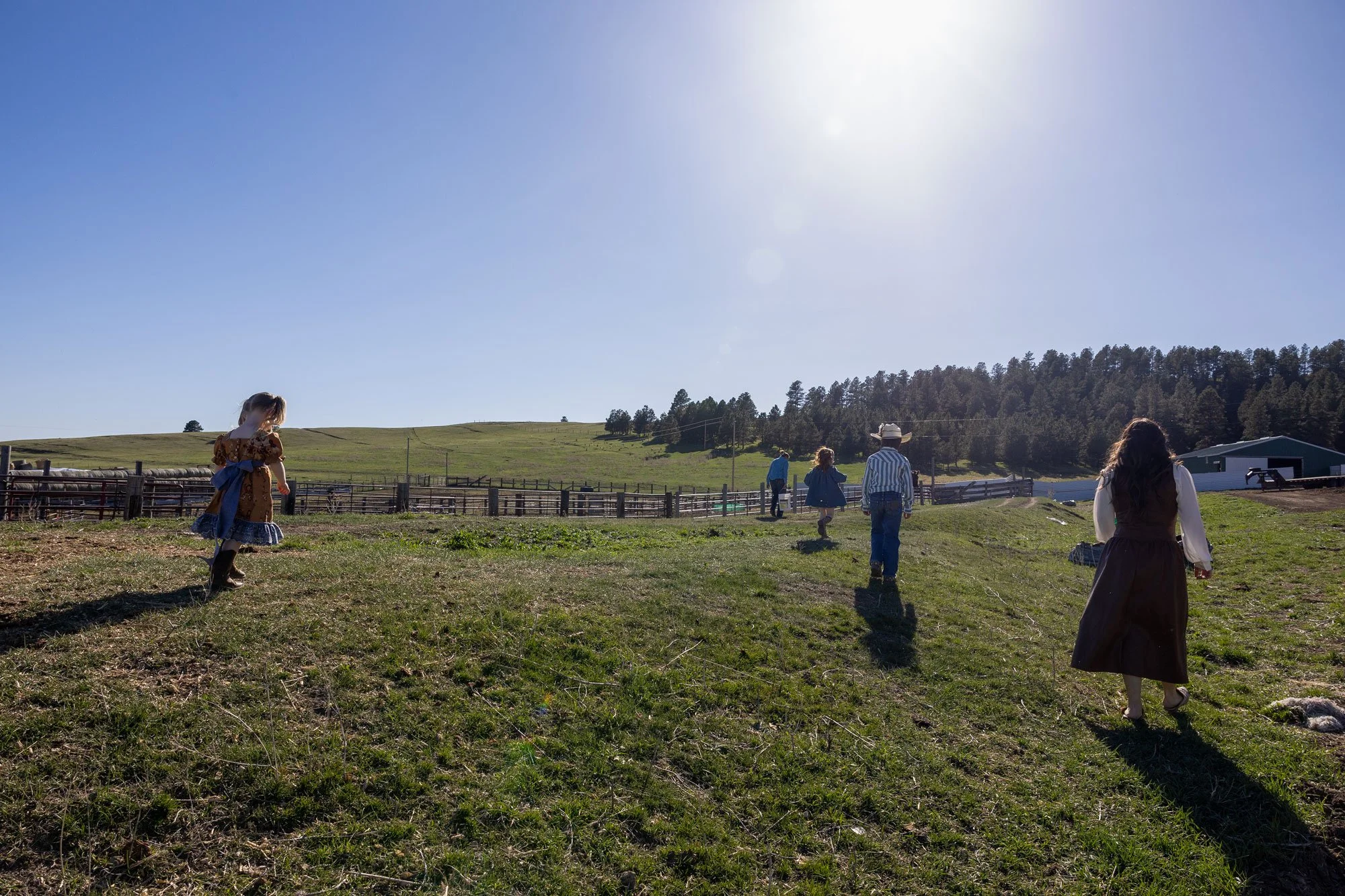
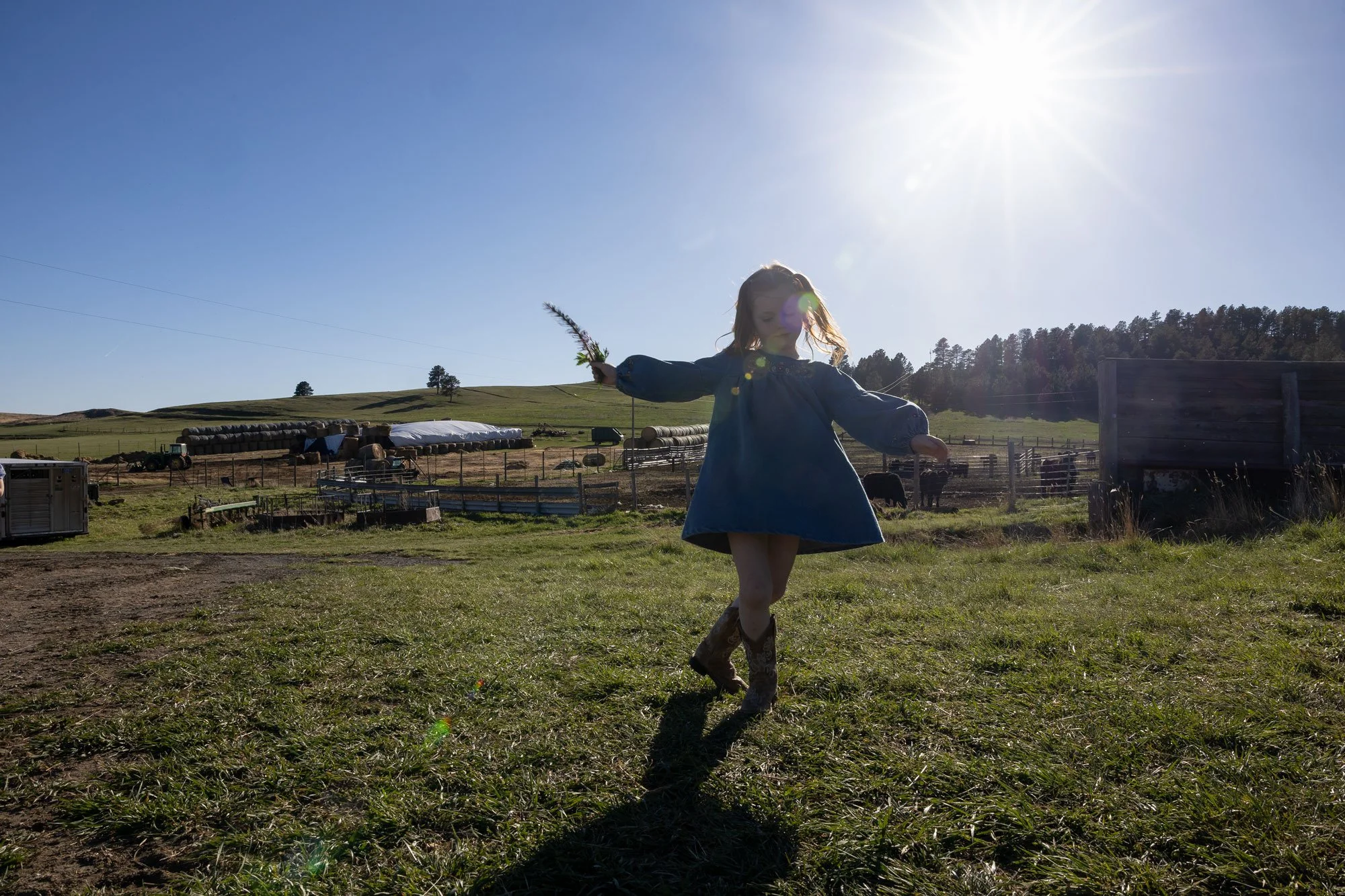
Watching children run freely across wide-open fields reminds parents that this life offers something rare: space to grow, freedom to explore, and safety rooted in community.
Then there are the moments of new life. A newborn calf rising for the first time, steam curling into cold morning air. A field filled with neatly stacked hay bales glowing in evening sunlight. Cattle grazing peacefully beneath a blue Wyoming sky.
These are the scenes that define homestead life. They are not grand or flashy, but they carry deep meaning.
A Legacy Still Being Written
For the West family, the word “homestead” carries weight beyond property lines. It represents those who came before - families who built barns by hand, raised children in unforgiving conditions, and believed deeply in the promise of hard work.
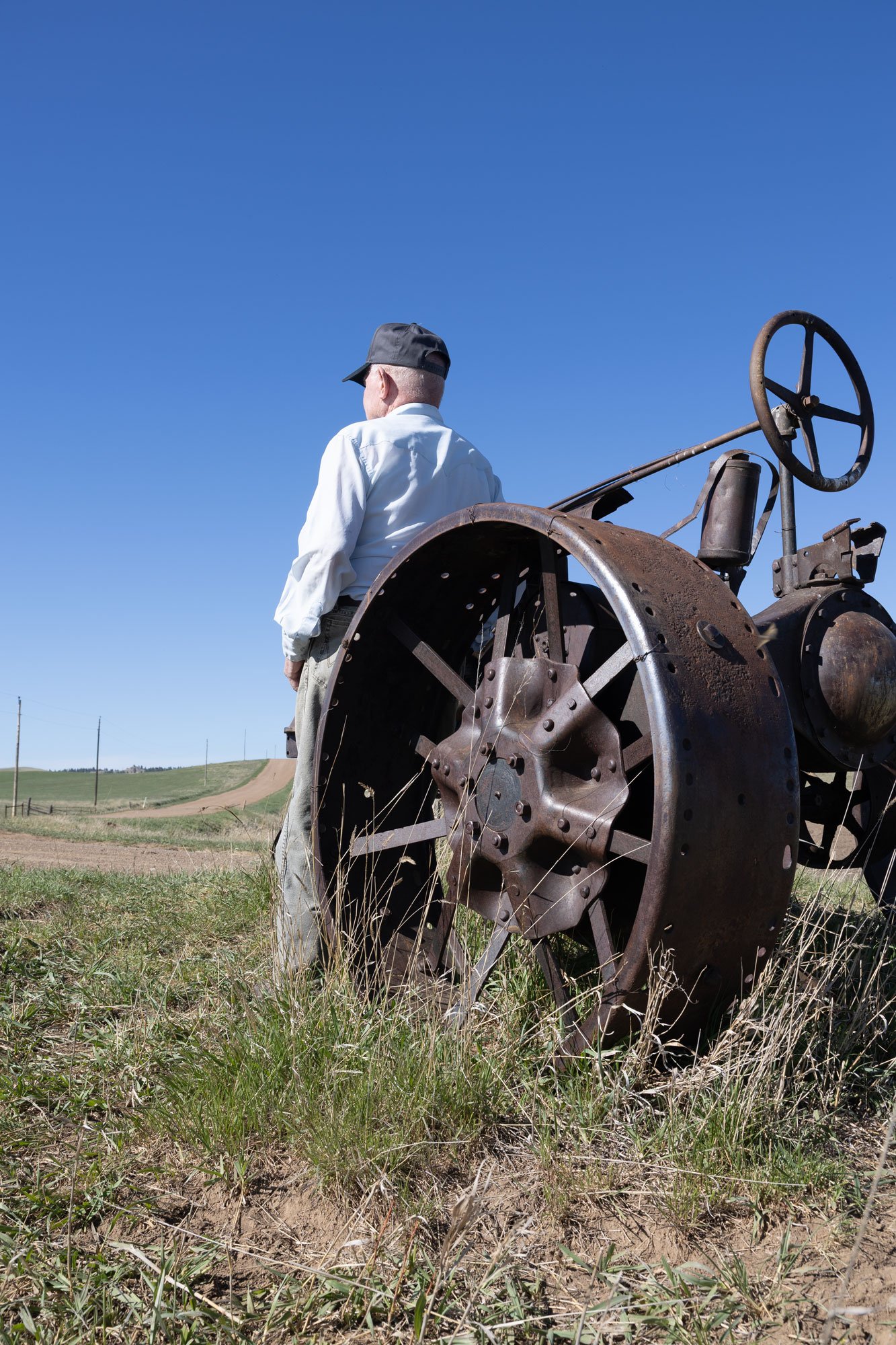
Walking the hills today, the remnants of some early structures still stand in place, weathered but proud. Each board and nail tells a story of perseverance.
Even as technology evolves and equipment improves, the heart of the work remains unchanged: provide for the land, the livestock, and the family. And when asked what matters most, the answer returns to something simple:
Being together.
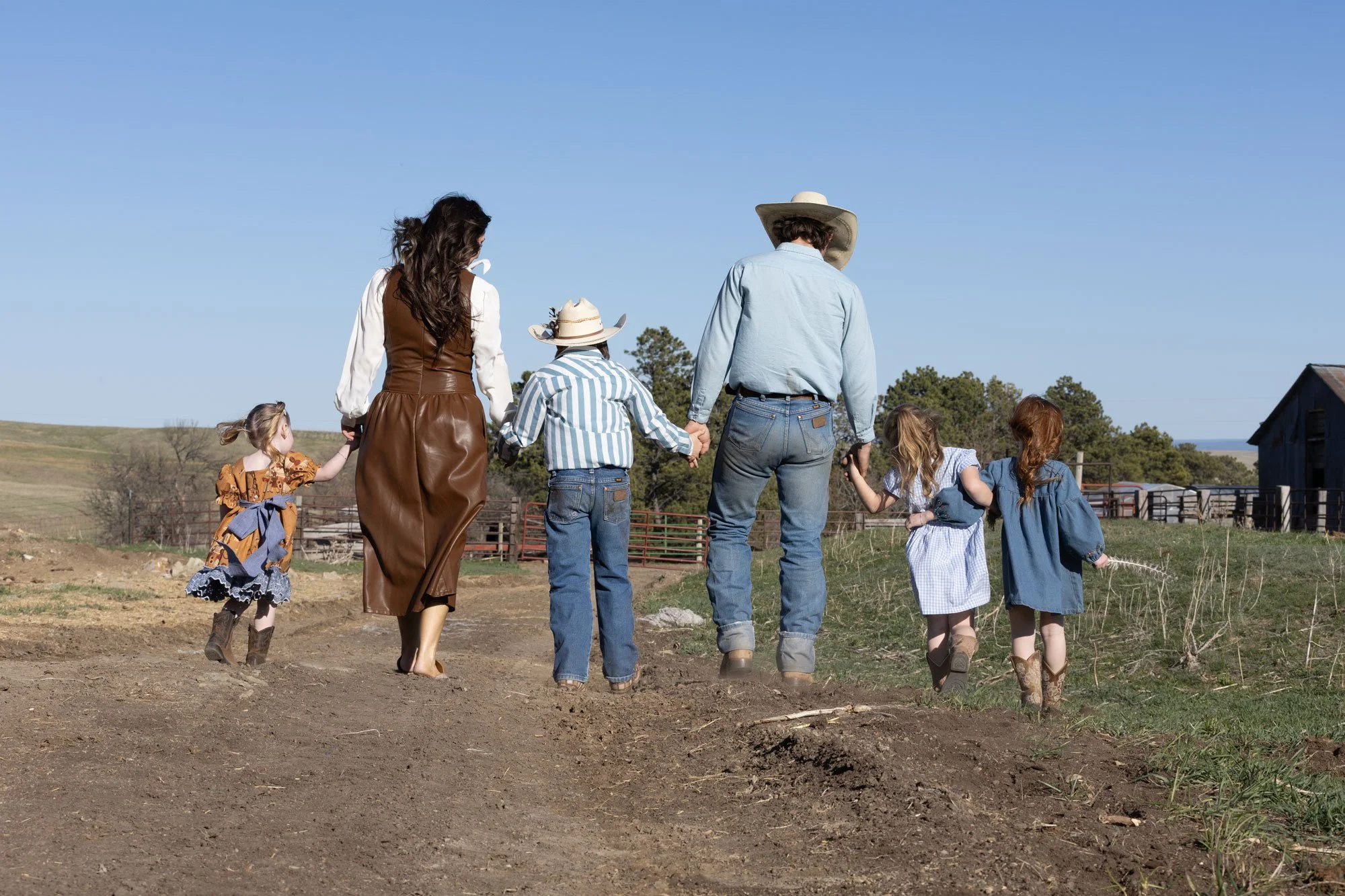
Pulling weeds side by side. Checking water tanks as a family. Sharing laughter during a long day’s work. These are the moments that build memory and meaning.
Why This Life Matters
If a visitor were to step onto this homestead for the first time and ask why this way of life matters, words alone might not be enough. They would need to feel the warmth of a newborn calf on a cold morning. See the golden glow of hay fields at sunset. Watch children learning responsibility through small, steady tasks. Hear the quiet hum of tractors moving across land that has fed generations.
Because homesteading is not simply about survival; it is about stewardship. It is about resilience. It is about raising children who understand the value of effort, patience, and gratitude.
Most of all, it is about legacy.
In Wyoming, legacy is not written in ink. It is written in soil, carried on the wind, and passed from one set of hardworking hands to the next - ensuring that the story of the land continues, long after the sun sets on another day.
Written by: Savannah Maddocks
Photography by: Tonya Bennett