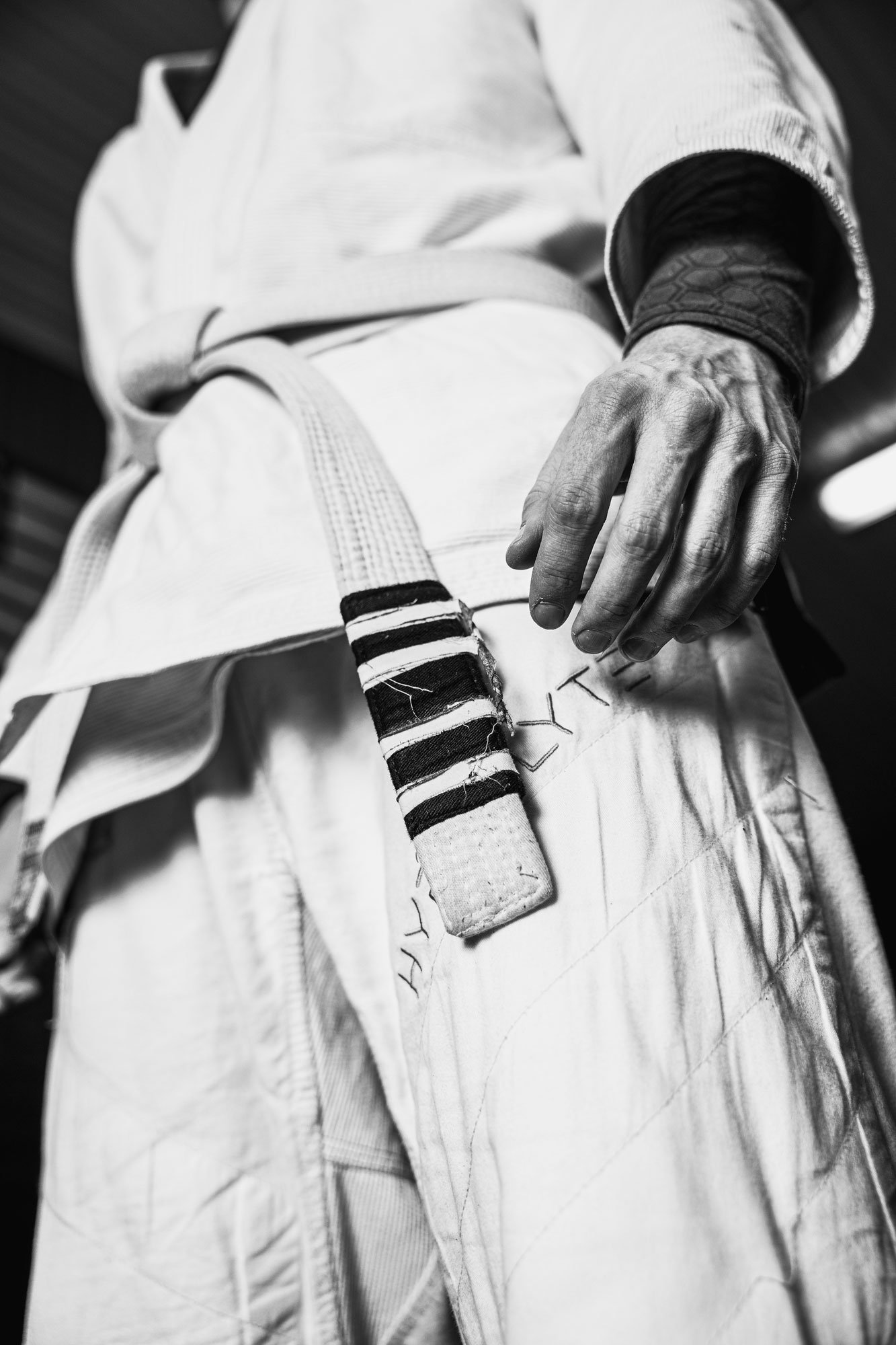
Keep Rolling
In Wyoming, strength is quiet. It doesn’t announce itself with flash or bravado. You feel it in the early mornings before the wind sweeps across the plains. You see it in hands calloused from work, in the weight carried without complaint. And sometimes, that strength is forged on the mat, in the hum of fluorescent lights, the squeak of mats underfoot, and the rhythmic grind of bodies moving together. Here, men learn, fail, and rise again, discovering not just physical power, but patience, humility, and the discipline to carry these traits into every corner of life.
Step inside a room like this, and the outside world fades quickly. The noise quiets. The distractions fall away. There is no title here, no job description, no past or future pulling at your attention. There is only the moment in front of you: the grip, the breath, the pressure, the decision. It is simple in theory; it is anything but easy in practice. Maybe that is why it matters so much.
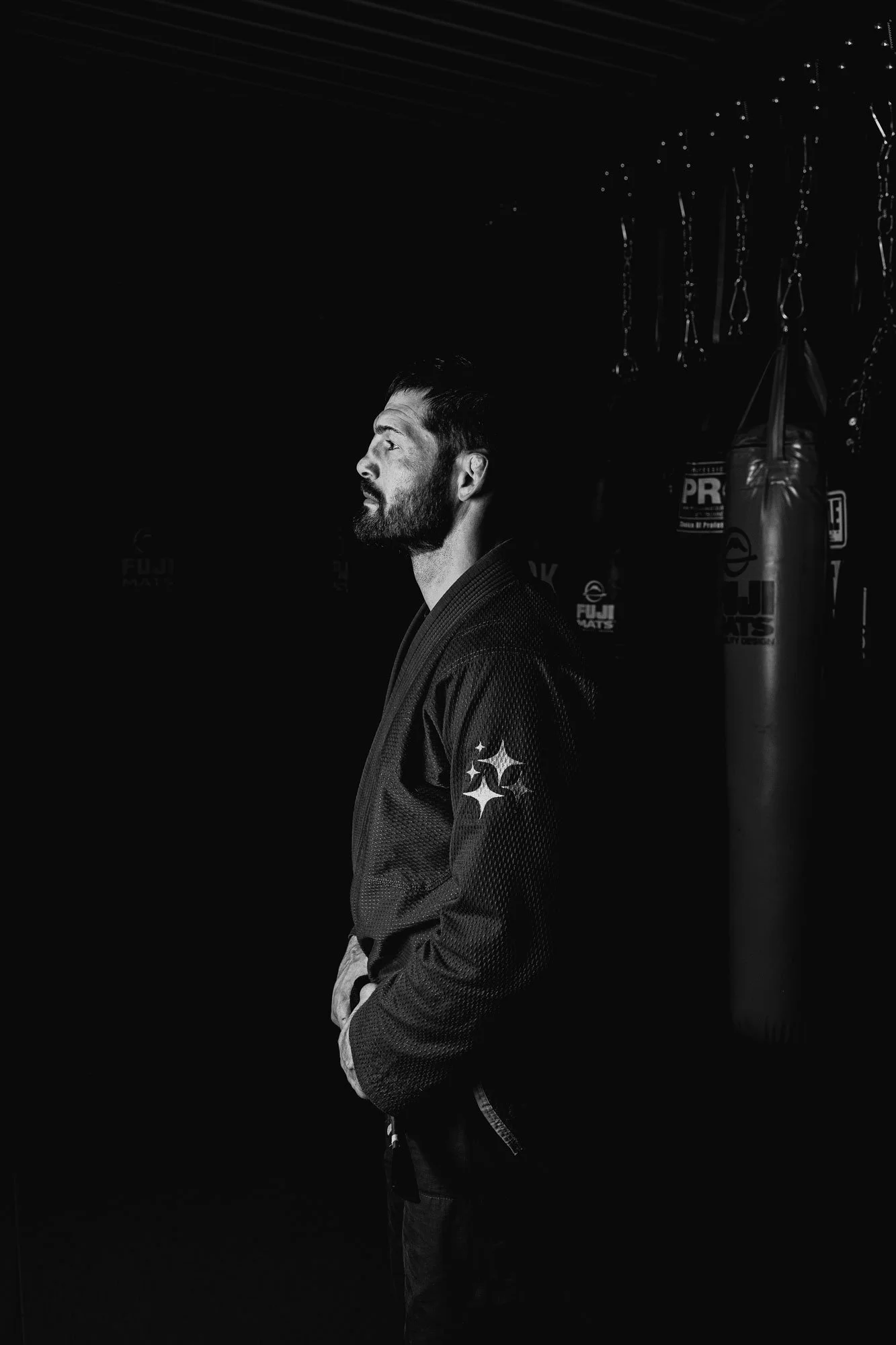
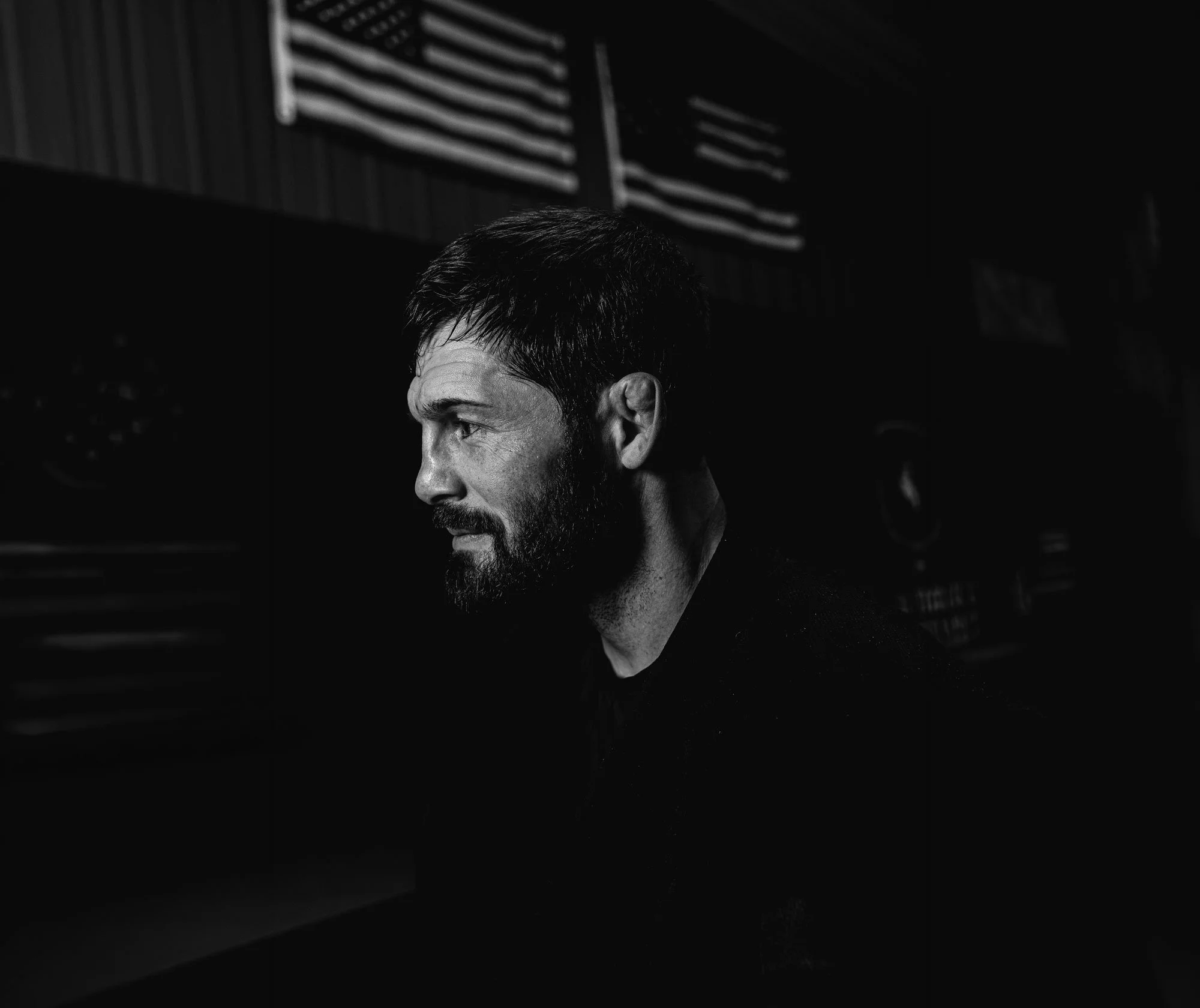
For Campbell County Sheriff ’s Deputy Eric Coxbill, that discipline has been a constant throughout his life. Raised in Wright, Wyoming, he grew up roping and wrestling, developing the grit and resilience that would follow him into adulthood. From his earliest memories on the mat at age six, through three state championships in high school, and then collegiate wrestling at Northwest College and the University of Wyoming, Eric learned that effort, focus, and perseverance are not just athletic values; they are life values. Wrestling taught him how to push through pain, how to fall and get back up, and how to approach challenges with determination.
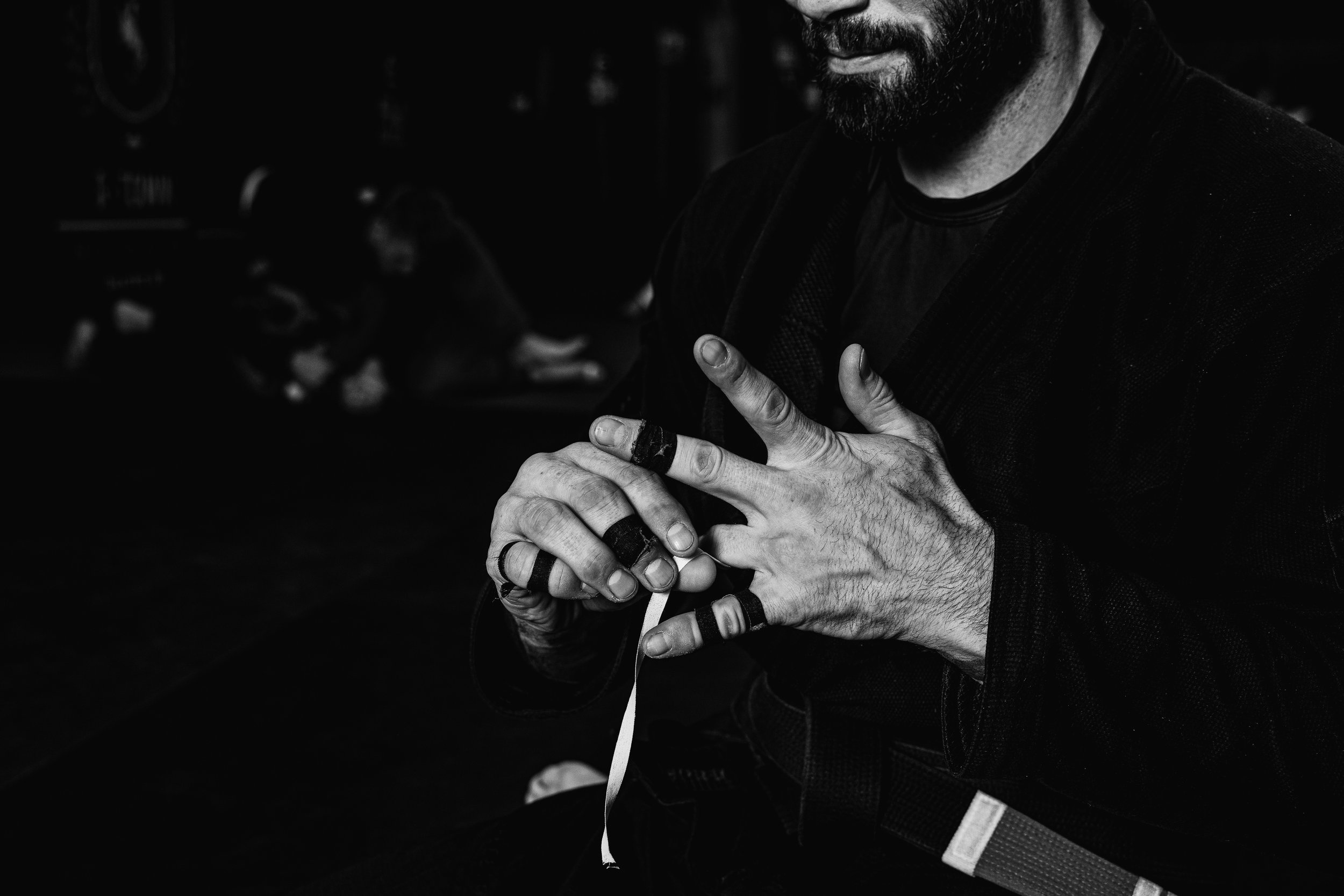
It wasn’t until years later that Eric discovered Jiu-Jitsu, a sport that would challenge him in a different way, mentally, emotionally, and spiritually. It stripped away the familiarity of wrestling and replaced it with something more complex, more humbling. Positions where strength didn’t matter. Moments where patience outweighed aggression. Situations where slowing down, not speeding up, was the answer.
“I became addicted from the moment I started,” he says. “Jiu-Jitsu teaches you to stay calm under pressure. That carries into everything: life, family, work, and faith. On the job, when situations get chaotic, I breathe. I focus. And suddenly, everything else seems easier.”
It is a statement that carries weight, especially when you consider the reality of law enforcement. The average person may encounter a handful of critical incidents in their lifetime, moments that shake their sense of safety or normalcy. For an officer, that number climbs into the hundreds over the course of a career. Calls that linger. Situations that follow you home, whether you want them to or not. Some fade. Others don’t.
Eric does not speak about it dramatically. He does not need to. “It’s impossible not to see things that hit home and cause mental stress,” he says.
That is where the mat becomes more than training. It becomes a reset.
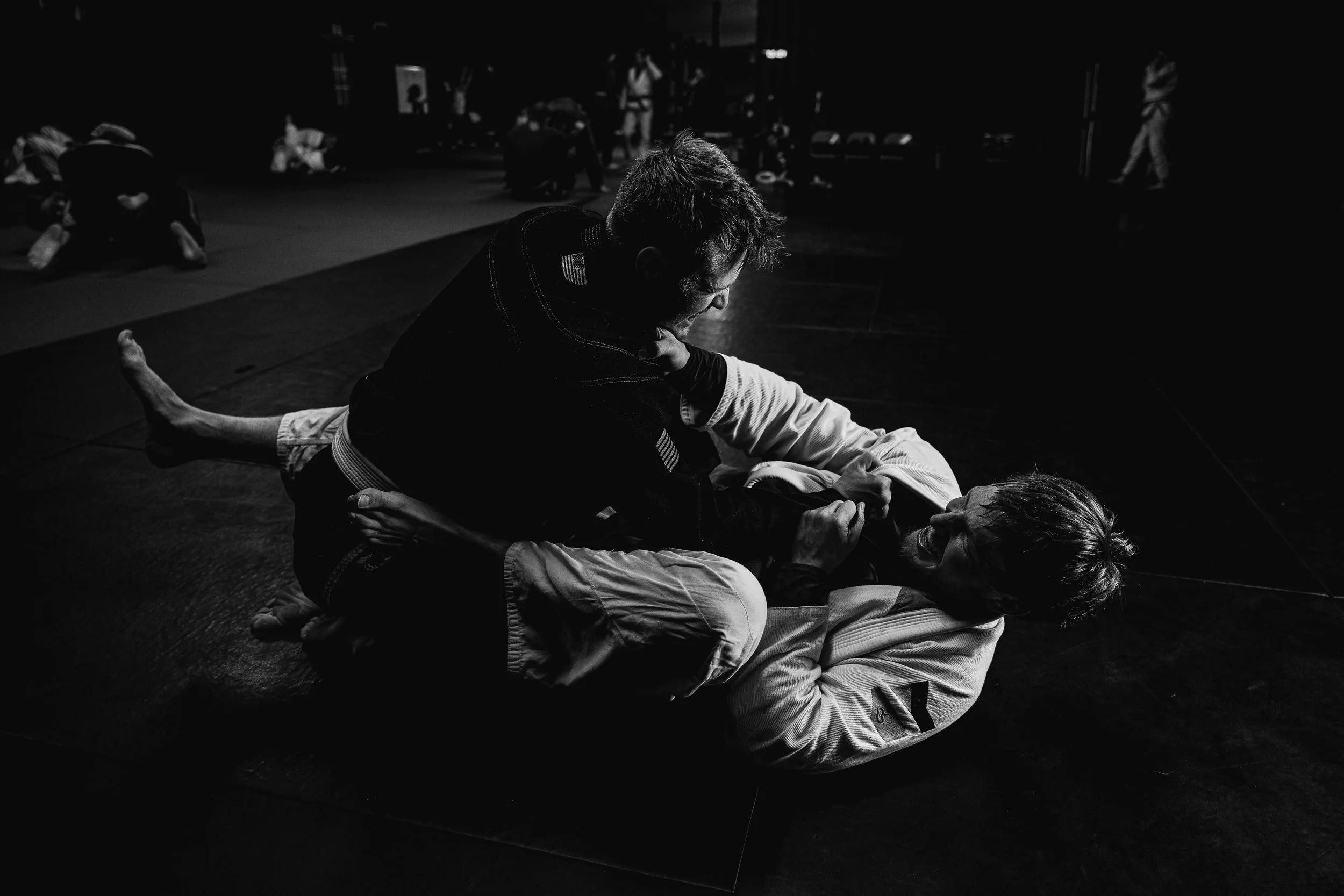
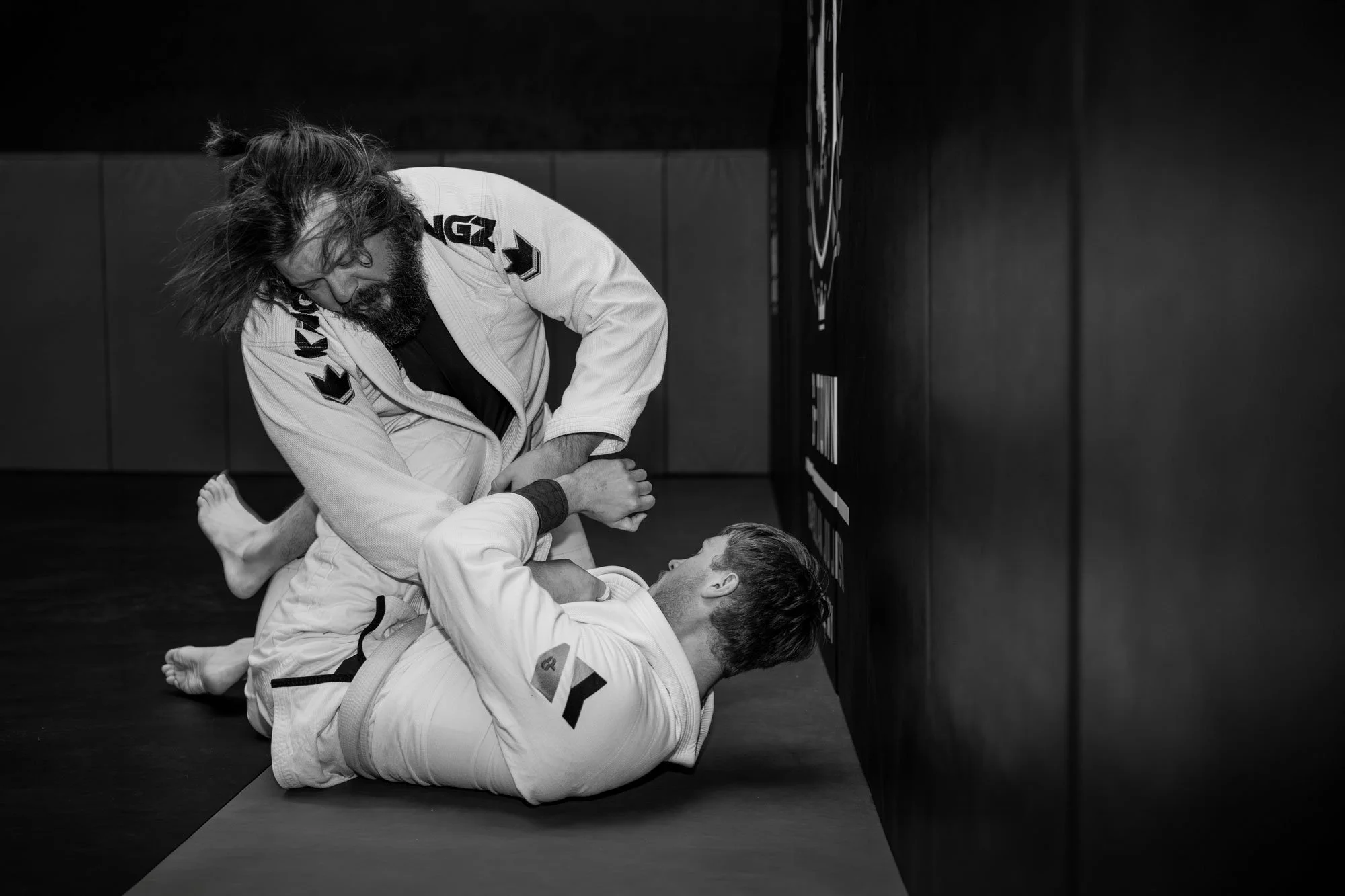
“It’s hard to be worried about life when someone is trying to choke you,” he adds with a laugh. “You’re focused on the task at hand. You’re working, learning, and surrounded by good people. It becomes a space to reset your mind.”
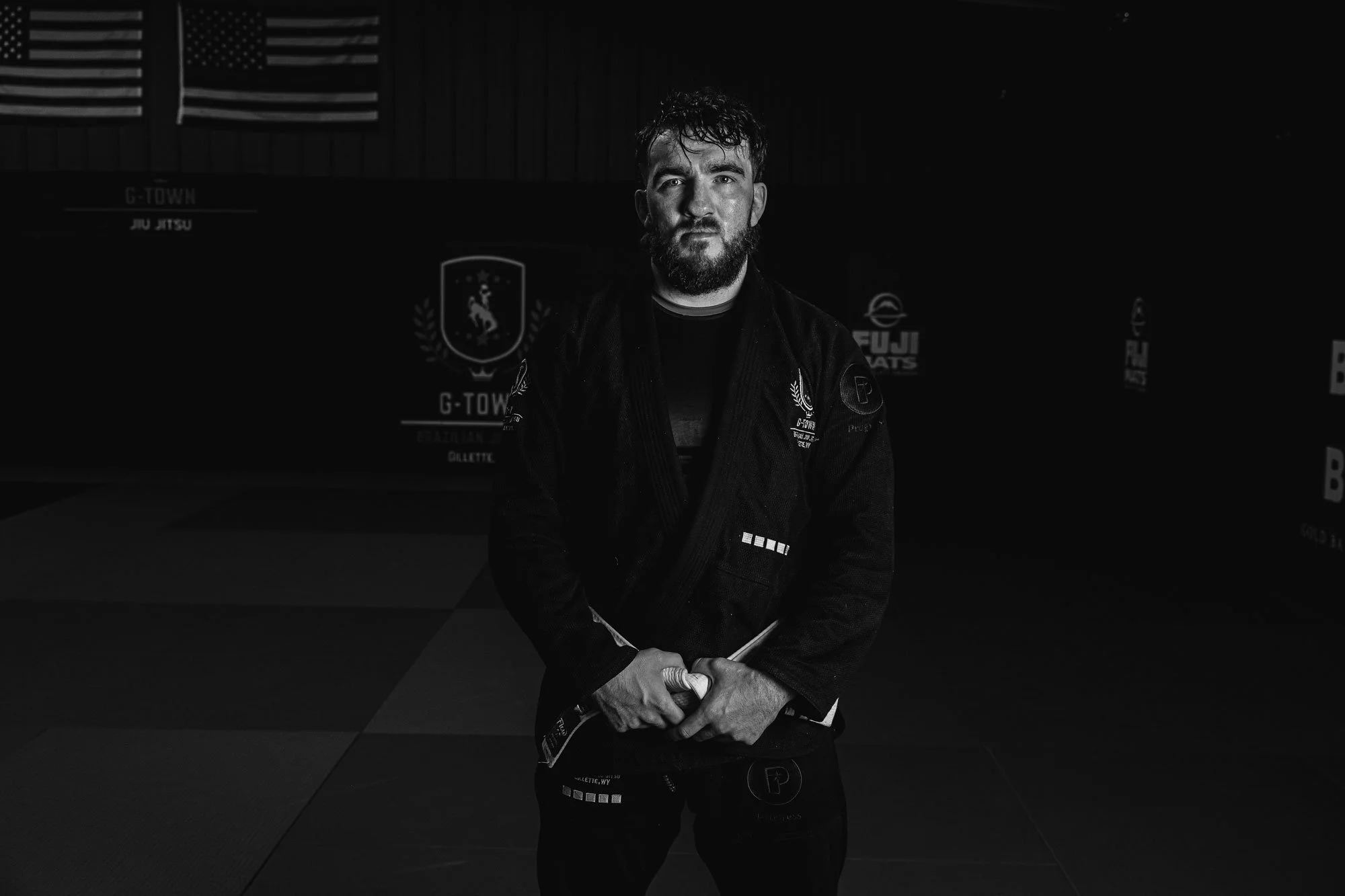
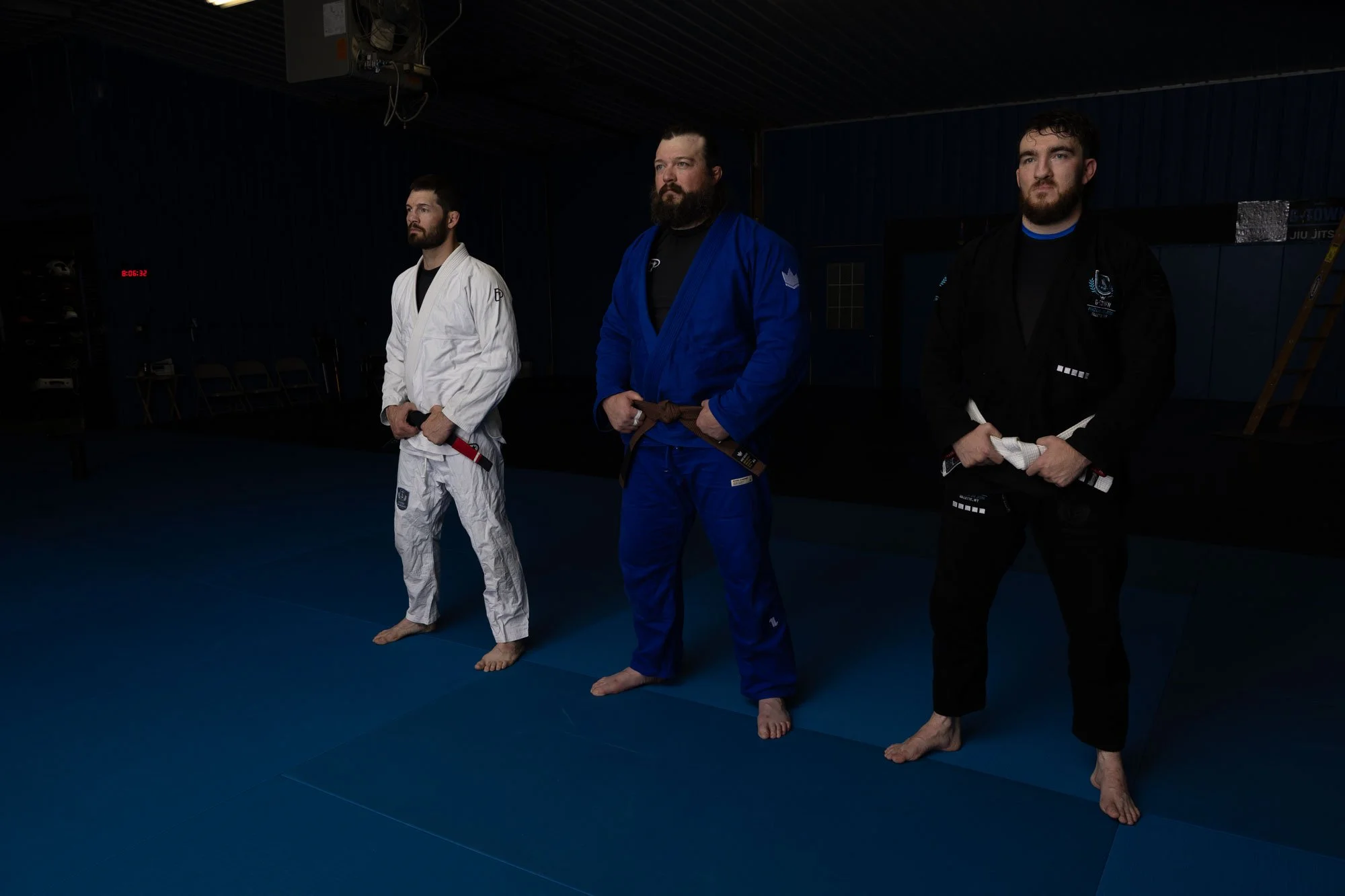
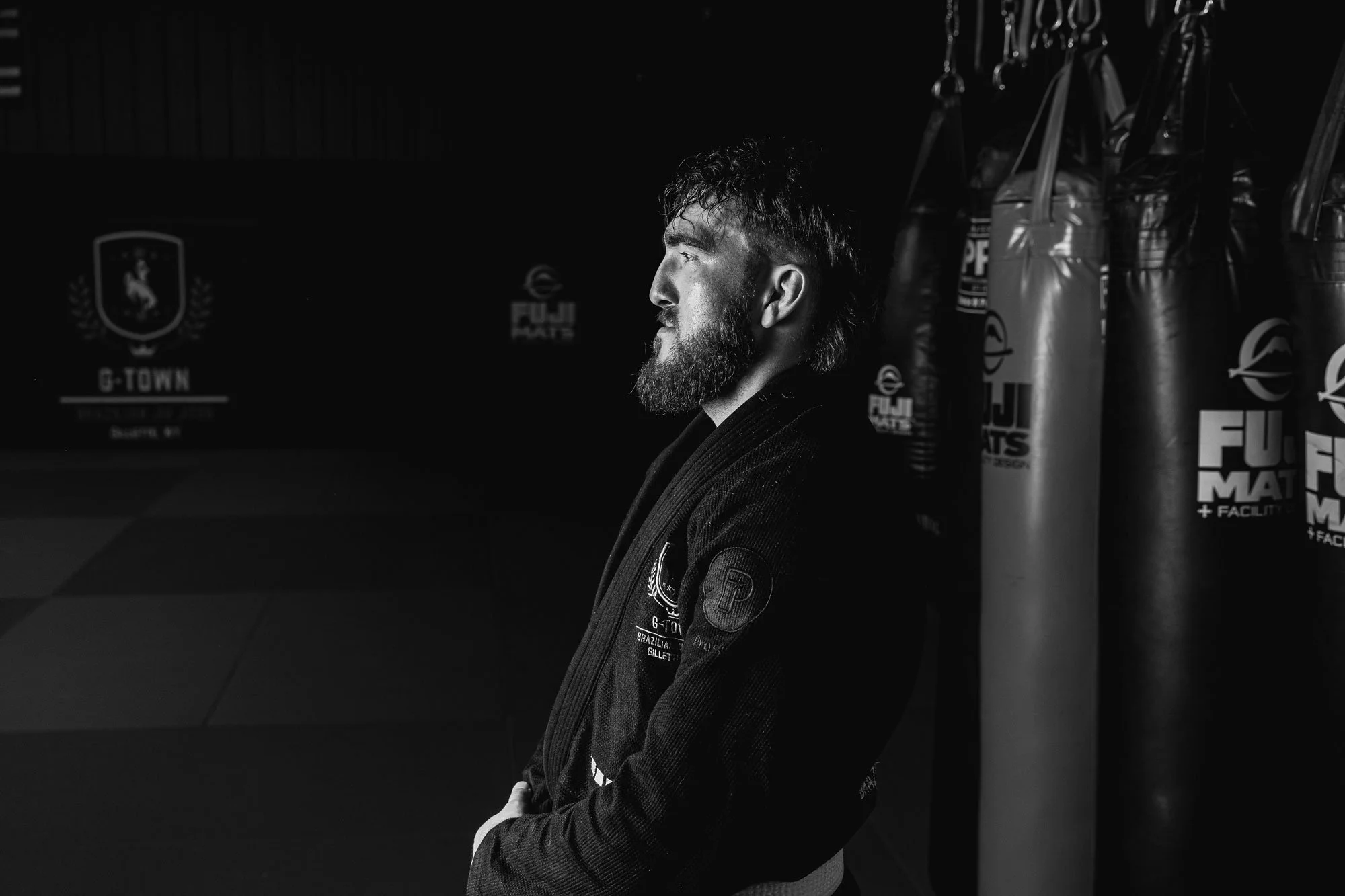
Inside that space, something rare happens. Titles disappear. Ego softens. Everyone starts at the same place. It does not matter if you are a deputy, a rancher, a coal miner, or a college student. At G-Town Brazilian Jiu-Jitsu, the room is filled with men from all walks of life: paramedics, truck drivers, construction workers, and more, all showing up with the same goal: to get better.
And to do it together.
“That daily grind of teammates struggling and working together, it creates strong bonds,” Eric says. “It’s an amazing environment and community.”
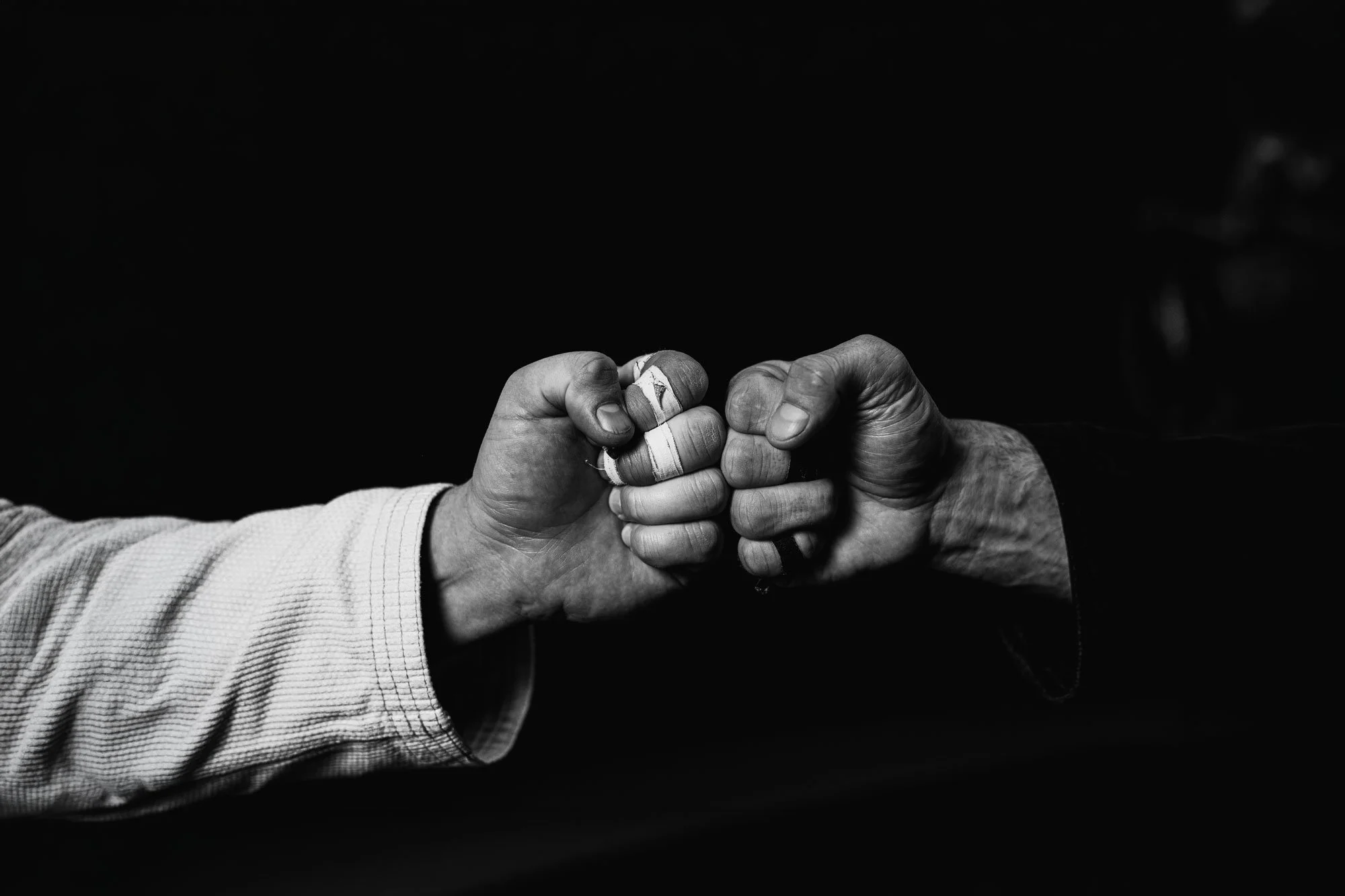
You see it in the small things. A hand extended after a hard round. A quiet word of encouragement. A more experienced athlete slowing down to help someone new understand a position. There is competition here, no doubt. But there is also respect. And beneath that, trust.
For Eric, Jiu-Jitsu is one of the most grounding aspects of his life. “Natalie and I definitely have our faith,” he says. “Anchors would be my family, my family ranch, and of course Jiu-Jitsu. These are the things that make me who I am and why we get up and work toward our goals.” There’s no overcomplication in how he describes it. It’s steady. It’s lived out daily. The same discipline that carries him through long days on the job and hard rounds on the mat shows up at home, in the quiet, everyday moments of being a husband and a father, where consistency, responsibility, and purpose matter most.
Out on the ranch, the lessons are similar. Work doesn’t wait for convenience. Responsibility doesn’t pause. You show up because it needs to be done. That same mindset carries into the gym, into his career, and into his home.
He hopes his children are watching. Not just the wins, but the effort behind them. “I hope our kids pick up a great work ethic and drive to make themselves better from seeing their folks consistently pursuing and working toward achieving our goals,” he says.
It is not about perfection. It is about presence. That same belief - that strength is built, not given - runs deep in the men who step onto these mats.
For Robert Shirley, a Campbell County Deputy, that foundation was laid early.
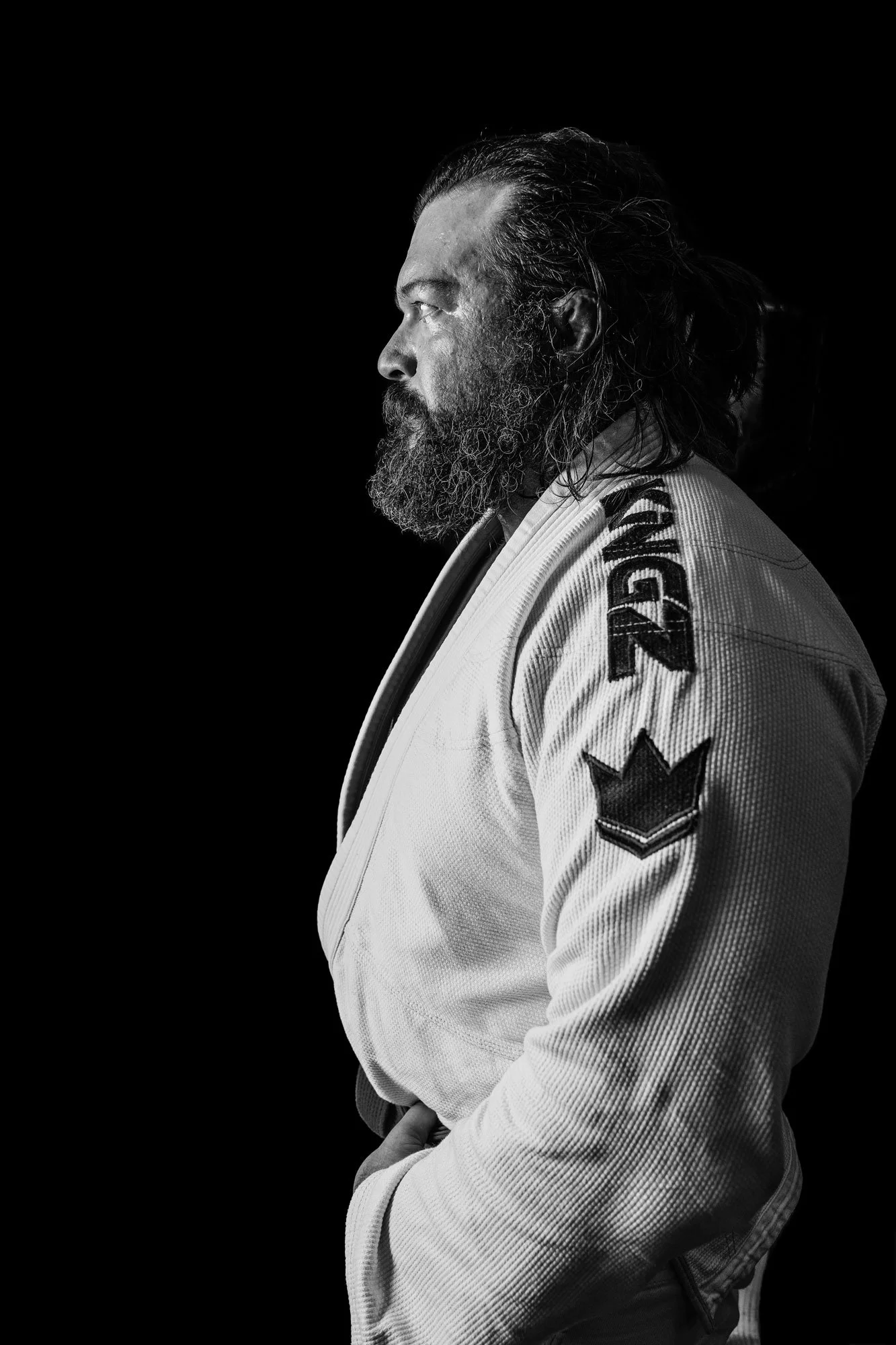
He grew up in Gillette, in a community built on hard work and resilience. Wrestling became his outlet at twelve years old, and from that moment on, it consumed him. It gave him something to pour himself into. Something that made sense when other parts of life didn’t.
“Wrestling pretty much became 24-7 for me,” he says. “I wanted to be successful. I worked for it.”
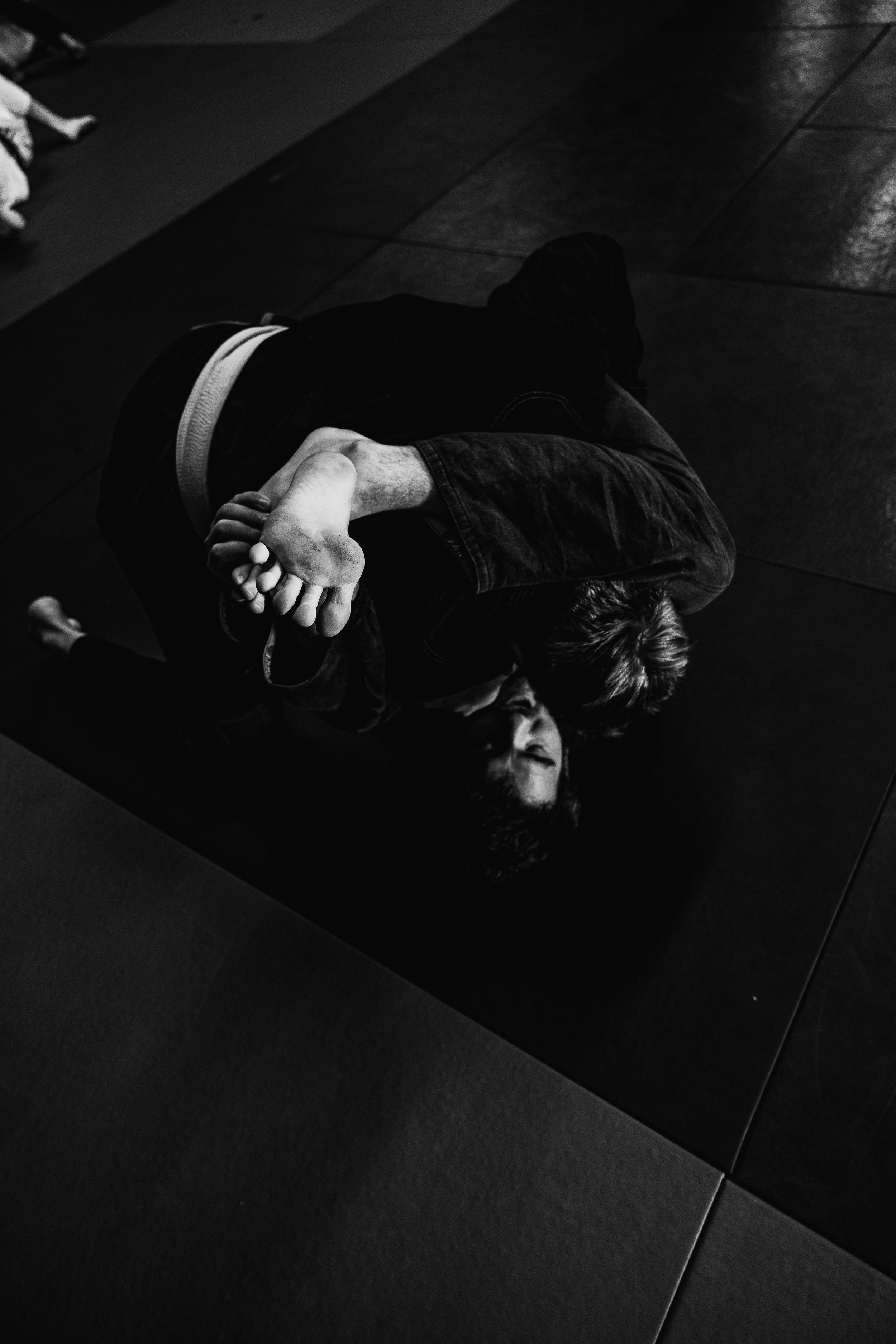
The work was relentless. Lunch breaks spent training. Summers at intensive camps where exhaustion was the baseline. Days where your body hurt, your lungs burned, and quitting would have been easier, but it wasn’t an option.
He learned early that if you could embrace the hard things, you could endure almost anything.
But Robert’s story carries a weight that goes beyond sport.
His childhood was marked by instability, abuse, and experiences no child should have to navigate. Moments of fear. Confusion. Chaos. Encounters with law enforcement not from the perspective of a future deputy, but as a child trying to make sense of the world around him. Yet even in that, something took root.
Faith. Perspective. A calling.
“As an adult, and now as a Deputy, I know God gave me those experiences so I could serve my community with understanding and compassion,” he says. “Those experiences allow me to understand people and their hardships. I know what that feels like.”
Jiu-Jitsu became another outlet. Another place to take what life had given him and turn it into something productive.
“Sometimes when someone gets the better of me, that fi re comes out,” he says. “That competitor in me wants to win. But Jiu-Jitsu also allows me to keep that fi re caged. Life brings frustration, and that fire has to go somewhere. Jiu-Jitsu lets me take that rage monster out for a walk and then put it right back where it belongs.”
There’s honesty in that. A recognition that strength isn’t about eliminating emotion; it’s about learning how to control it. Because in a place like Gillette, pressure is part of life.
“This is a blue collar town,” Robert says. “People work hard. Some of the toughest men I know never had the opportunity to train like this. My dad worked himself into the ground in the power plants and coal mines.”
When that kind of work ethic meets the mat, something powerful happens.
“You get a room full of people like that, and they excel,” he says. “Because they’re already tough.”
But toughness without direction can become something else entirely.
Blue collar men will find a way to cope,” he says plainly. “If you don’t give them a healthy outlet, it’s not always a good one. But here, you give them a place to fight, with rules, and it changes things.”
It gives them control. It gives them clarity. It gives them a place to breathe.
You can’t be stressed when you’re fighting off a choke,” he says. “You just deal with what’s in front of you.” That idea, presence, echoes through every story in the room.
Derek Lang, a G-Town brown belt and fellow deputy, knows it well. Growing up in Baker, Montana, a town of just 1,200 people, he learned early that grit wasn’t optional. It was expected.
“I was already friends with Eric and a few others training,” Derek recalls. “They eventually peer pressured me into showing up. That first day, I got my face used to mop the mats clean for an hour straight. It was humbling.”
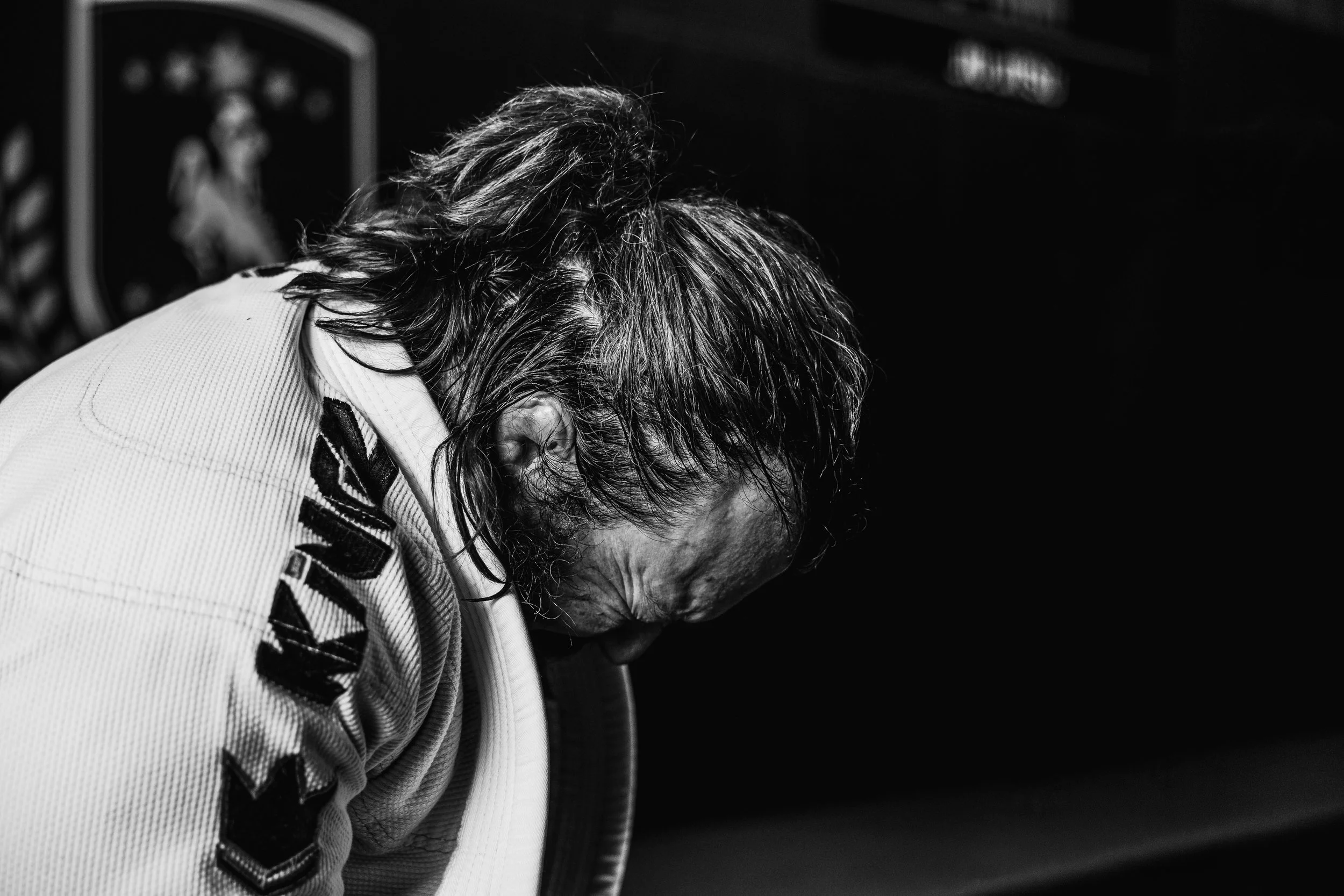
That humility is part of what keeps people coming back. Because on the mat, no one is immune to struggle. No one gets a pass.
Derek, too, is a husband, and he sees the connection clearly. “It’s not just about getting stronger physically,” he says. “It’s about learning patience, humility, and trust. That carries into how you show up at home. Being a husband, you need to be present, patient, and resilient.”
All three men have found that Jiu-Jitsu translates into every part of life, especially in law enforcement, where stress is constant and often unseen.
“Training after a tough day helps reset your mind,” Derek says. “You’re forced to focus on the present.” Eric echoes the same truth. “If you don’t have an outlet, it builds up. The mat allows you to process stress in a way that’s healthy. You come out more aware, more in control.”
Wyoming culture, with its grit, resilience, and quiet strength, is mirrored perfectly on the mat. There are no shortcuts. No pretense. Just work. Just effort. Just the slow, steady process of becoming better.
Jiu-Jitsu does more than build fighters; it builds men who can stay calm in chaos. Who lead with patience instead of reaction. Who carry discipline into their homes, their work, and their communities.
Faith, family, and brotherhood intertwine here, shaping something deeper than skill. Something lasting. Because in a world that often misunderstands strength, places like G-Town are quietly redefining it.
Strength is not about overpowering. It is about control. It is about showing up, again and again, even when it is hard.
Out here in Wyoming, under wide skies and in tight knit communities, that kind of strength matters. Because the men who carry it are not just training for themselves; they are showing the next generation what it looks like to live with discipline, humility, faith, and purpose.
Not perfect men.
But present ones.
And in today’s world, that might be the strongest thing of all.
Written by: Savannah Maddocks
Photography by: Tonya Bennett